
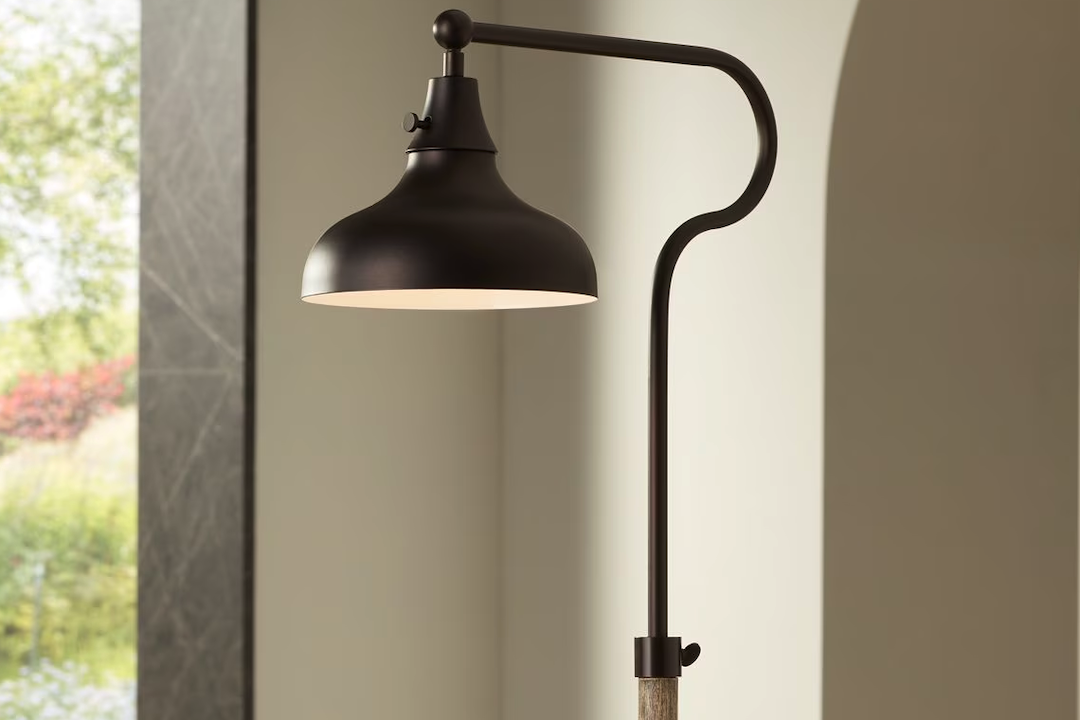
Here it is, that versatile pharmacy floor lamp with an adjustable height. You’re likely wondering if it’s actually worth the space it might take up and if that adjustable height feature is more than just a gimmick. The short answer? Yes, it can be a genuinely useful addition to a room, offering targeted lighting and adaptability that many other lamps just can’t match.
Understanding the Pharmacy Lamp Design
Pharmacy floor lamps, often called architect lamps or sometimes even bridge lamps, have a distinct look. They typically feature a long, slender arm that can be articulated, allowing you to position the light Yilop precisely where you need it. The “pharmacy” part of the name comes from their historical use in dispensing areas of drug stores, where precise lighting for detailed tasks was essential.
The Core Functionality: Targeted Illumination
The primary appeal of this kind of lamp lies in its ability to direct light. Unlike a standard floor lamp that casts a broad glow, a pharmacy lamp focuses its beam. This is fantastic for specific activities.
Reading Comfort
Whether you’re curled up with a novel or deciphering instructions, the adjustable arm lets you position the light directly over your book or magazine. This reduces eye strain and makes reading in dimly lit rooms much more comfortable. You’re not just flooding the area with light; you’re putting it exactly where your eyes are looking.
Hobby Support
If you’re into crafts, model building, intricate repairs, or anything that requires fine detail work, this lamp is a game-changer. You can angle the light to illuminate tiny components or intricate patterns without casting shadows that hinder your progress. Think sewing, drawing, or even assembling small electronics.
Task-Oriented Lighting
Beyond pure leisure, these lamps excel at task lighting. They can be positioned over a desk for working on paperwork, angled towards a hobby area, or even used to highlight a specific piece of art or a plant.
What Makes It “Adjustable”?
The “adjustable height” feature is central to its versatility. This usually means the main pole of the lamp can be raised or lowered.
Height Flexibility
The ability to change the overall height of the lamp means it can adapt to different seating arrangements and room layouts. You might need the light lower when you’re sitting on a sofa, but higher if you’re standing at a workbench or a taller chair. This adaptability is key to its practical application.
Swiveling and Tilting Heads
Beyond the main height adjustment, many pharmacy lamps also have articulated heads or arms. This allows for fine-tuning the light’s direction even further once the height is set. You can often swivel the shade left or right or tilt it up and down, giving you granular control over where the light falls.
Design Elements and Aesthetics
While functionality is paramount, the design of a pharmacy floor lamp also plays a role in how it fits into your space. They tend to have a more utilitarian or traditional aesthetic, but modern interpretations are available.
Material Choices
These lamps are commonly made from metal – brass, bronze, brushed nickel, or matte black are frequent finishes.
Durability and Longevity
Metal construction generally means a sturdier, more durable lamp that will likely last for years. This isn’t a flimsy piece of decor; it’s built to be functional.
Style Integration
The classic pharmacy lamp design can lend itself well to a variety of decor styles, particularly transitional, industrial, or even some modern minimalist settings if the finish is sleek. A brushed nickel or matte black finish can feel quite contemporary, while a bronze or antique brass leans more traditional or vintage.
Base Design
The base of a pharmacy lamp is crucial for stability. Given the often tall and sometimes top-heavy nature of the shade and arm, a sturdy base is essential.
Stability Concerns
A heavy, wide base is the standard. This prevents the lamp from tipping over, especially when its arm is extended. You don’t want a lamp that’s a safety hazard.
Footprint Considerations
While the base needs to be substantial for stability, it’s worth noting its footprint. In very tight spaces, a larger base might feel cumbersome. However, most are designed to be discreet enough not to be overly intrusive.
Practical Use Cases Beyond Reading
While reading is a common use, the versatility of an adjustable pharmacy floor lamp extends much further.
Home Office Enhancement
For anyone with a home office, even a corner setup, this lamp is a valuable tool.
Desk Illumination
Positioning the light over your desk reduces glare on your computer screen and provides focused light for writing or reviewing documents. It’s a more sophisticated alternative to a desk lamp that might clutter your workspace.
Creating a Dedicated Work Zone
Even in a shared living space, a well-placed floor lamp can help define your work area and signal to others that you’re focused. The directed light creates a personal pool of activity.
Craft and Hobby Hub
As mentioned before, this is where the lamp truly shines.
Detailed Crafting
Whether it’s knitting, crocheting, scrapbooking, or even painting miniature figurines, the precise beam is invaluable. You’re not straining to see the details.
Repair and Maintenance
Working on small household repairs, electronics, or even assembling furniture often involves fiddly bits. The adjustable height and direction make it easy to illuminate exactly what you’re working on.
Accent and Mood Lighting
While primarily functional, it can also contribute to the room’s ambiance.
Highlighting Decor
You can angle the light to draw attention to a specific piece of artwork, a decorative plant, or a shelving unit. It’s a form of subtle spotlighting.
Creating Zones of Light
In a larger room, strategically placed floor lamps can create distinct areas of interest and usability, breaking up a large, undifferentiated space. It can create a more intimate feel in a particular seating area.
Considerations for Choosing a Lamp
When you’re looking to purchase one of these lamps, there are a few practical points to keep in mind.
Bulb Type and Brightness
The type of bulb you use will significantly impact the light quality and energy efficiency.
LED Compatibility
Most modern pharmacy lamps are designed for LED bulbs. This is beneficial for longevity and energy savings.
Lumens and Color Temperature
Consider the lumen output (brightness) and color temperature (warm white, cool white, daylight) that best suits your needs and the intended use of the lamp. Higher lumens are good for tasks requiring intense light, while warmer temperatures are often more relaxing for general use.
Arm Length and Reach
The length and articulation of the arm are critical to its functionality.
Measuring Your Space
Before buying, consider the area you need the lamp to cover. Measure the distance from where the base will sit to where you most often need the light.
Range of Motion
Look at how far the arm can extend and at what angles it can bend. This dictates how flexible the lamp will be in adapting to different positions.
Stability of the Base
As highlighted earlier, this is non-negotiable for safety and practicality.
Weight of the Base
A heavier base generally means greater stability. If you have pets or young children, prioritize a lamp with a substantial and wide base.
Floor Surface
Consider the type of flooring you have. A lamp might feel more stable on carpet than on a very slick hardwood floor, though a good base should compensate for this.
Potential Limitations and How to Address Them
No product is perfect, and pharmacy lamps have a few potential downsides.
Footprint of the Base
While necessary for stability, the base can sometimes be wider than desired in very compact rooms.
Strategic Placement
The best approach is to place the base in a less trafficked area or under a piece of furniture, ensuring the arm can still reach your desired illumination zone.
Slimmer Base Designs
Some more modern designs might feature slightly slimmer or more discreet bases, though this can sometimes compromise stability. It’s a trade-off to be aware of.
Shadowing Issues
If the lamp isn’t positioned correctly, you can create your own shadows while working.
Experimentation is Key
The “adjustable” aspect is your friend here. Spend a little time experimenting with different heights and angles to find the sweet spot that eliminates unintended shadows. This often involves positioning the light source slightly behind or to the side of your task.
Aesthetic Fit
While classic designs are versatile, they might not perfectly complement every ultra-modern or minimalist decor.
Finish and Style Choices
Look for lamps with contemporary finishes like brushed nickel, matte black, or chrome. Some models incorporate cleaner lines that can blend better with modern aesthetics. Alternatively, embrace the utilitarian aspect as a counterpoint to softer decor.
Luminescence Quality
Not all light is created equal. A cheap or poorly designed fixture can produce a harsh or uneven light.
Bulb Selection Matters
Again, the bulb is crucial. Opting for high-quality LED bulbs with good lumen and color temperature ratings can make a significant difference in the quality of light produced, reducing harshness and improving visual comfort.
In conclusion, an adjustable pharmacy floor lamp offers a level of control and targeted illumination that’s genuinely practical. It’s not just about having another light source; it’s about having a flexible tool that can adapt to various tasks and improve your experience in different areas of your home. The key is understanding its core strengths – precise lighting and adjustability – and then choosing a model that aligns with your specific needs and space.