
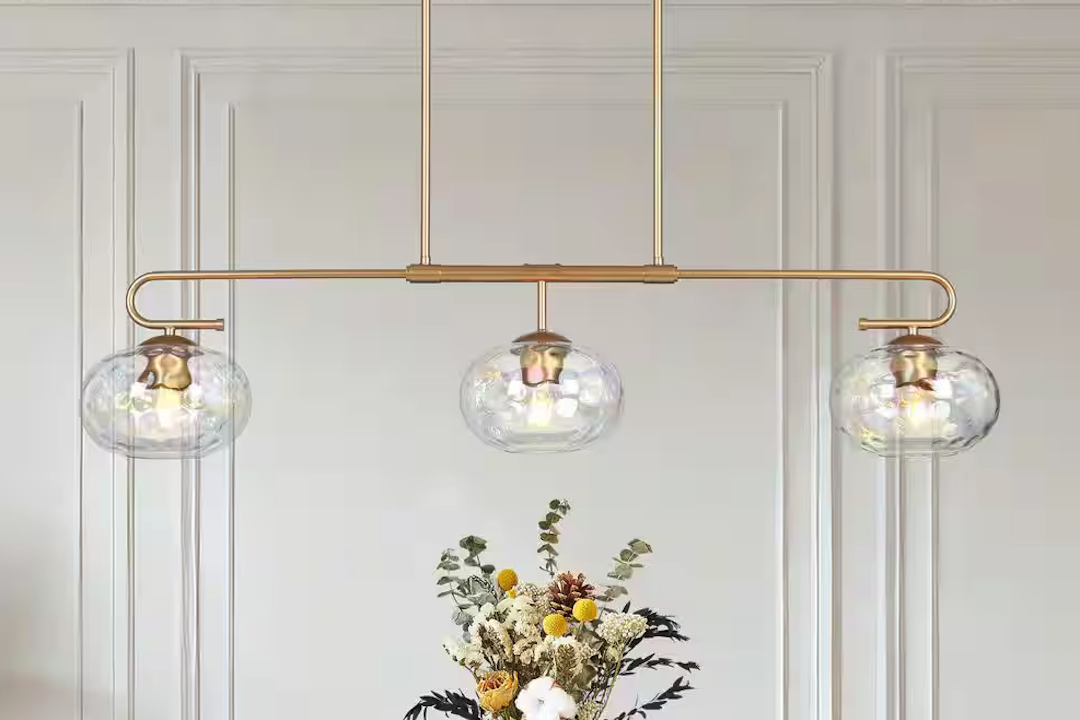
So, you’re wondering about iridescent acrylic pendant lights and how they fit into modern design? Essentially, these lights are a fantastic way to bring a distinctive, ever-changing visual element into a contemporary space. Unlike traditional lights that simply illuminate, an iridescent acrylic pendant becomes a dynamic focal point, shifting its colors and reflections depending on your viewing angle and the ambient light. They’re a practical choice for adding that touch of modern flair without over-complicating your aesthetic.
Iridescent acrylic isn’t just a fancy phrase; it refers to a specific type of material and the effect it produces. Think of it like the inside of an abalone shell or a soap bubble – those shifting, multi-hued reflections are what we’re talking about.
How Iridescence Works in Acrylic
This mesmerizing effect in acrylic is achieved through a controlled manufacturing process. Manufacturers often embed specialized microscopic layers or additives within the acrylic itself. These layers interfere with light Ezerliving waves as they pass through, causing different wavelengths (colors) to be reflected and refracted at varying angles. It’s not a painted-on effect, which is why it looks so deep and dynamic.
Acrylic vs. Glass
When you’re choosing materials for lighting, you’ll often weigh acrylic against glass. For iridescent pendants, acrylic generally holds the advantage.
Durability and Weight
Acrylic is significantly lighter than glass, making it easier to install and less stressful on ceiling structures, especially for larger fixtures. It’s also much more shatter-resistant. If a glass pendant falls, it breaks into sharp shards. If an acrylic pendant falls, it’s more likely to crack or chip, and generally creates less hazard. This is a practical consideration, particularly in homes with children or in high-traffic commercial spaces.
Light Transmission
While both transmit light well, acrylic can be crafted to better showcase iridescent effects due to its optical clarity and the way manufacturers can introduce the opalescent layers. Glass tends to be more limited in how deeply and consistently this effect can be integrated without becoming opaque.
Design Flexibility
Acrylic can be thermoformed and cut into a much wider range of complex shapes more easily and affordably than glass. This allows for the intricate, often sculptural designs seen in many contemporary iridescent pendant lights. Glass, while beautiful, has limitations in terms of very sharp angles, complex curves, and overall size without becoming prohibitively expensive or structurally weak.
Why Choose an Iridescent Acrylic Pendant?
Beyond just looking good, there are tangible reasons why these lights are gaining traction in modern design. They offer a unique blend of aesthetics and practicality.
Dynamic Visual Interest
This is arguably the primary draw. An iridescent pendant isn’t static. As you move around the room, or as the natural light shifts throughout the day, the colors reflected by the pendant change. It’s like having a subtle, ever-evolving art piece in your space. This visual dynamism prevents a room from feeling flat or static, adding a layer of sophisticated intrigue without requiring intricate patterns or bold colors elsewhere.
Modern Aesthetic Complement
These pendants naturally align with modern and contemporary design principles. Their clean lines, often minimalist forms, and the futuristic quality of the iridescent material seamlessly integrate into spaces characterized by simplicity, functionality, and innovative materials. They can be a focal point in a monochromatic scheme or add a subtle pop of multifaceted color to a more vibrant room. They don’t typically clash with other modern elements like concrete, steel, or bleached woods.
Unique Lighting Effects
The iridescence doesn’t just affect the pendant itself; it also influences the quality of light it casts. While the primary light source inside will provide general illumination, the acrylic can diffuse and subtly tint the light, creating soft, ambient glows with hints of color, depending on the angle. This can contribute to a more atmospheric and less harsh lighting environment compared to a standard clear glass pendant.
Versatility in Design Schemes
Despite their unique look, iridescent pendants are surprisingly versatile.
Minimalist Spaces
In a minimalist setting, where fewer objects are used, an iridescent pendant can serve as the singular, impactful decorative element, providing visual depth without clutter. Its changing appearance keeps the space interesting.
Eclectic Mixes
For an eclectic or maximalist space, an iridescent pendant can be an unexpected contemporary touch that bridges different styles, adding a futuristic edge amidst more traditional or vintage pieces.
Transitional Interiors
In transitional designs, which blend classic and contemporary elements, an iridescent pendant can lean into the modern side without looking out of place alongside more traditional furniture.