
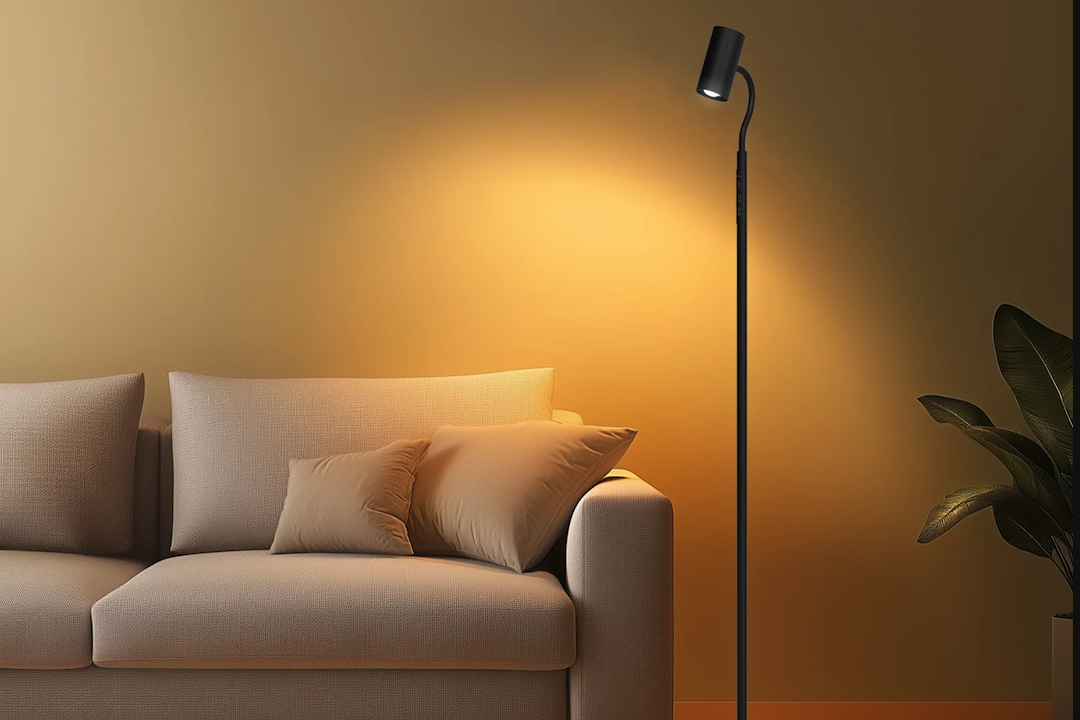
A living room ambient floor lamp can significantly contribute to creating a specific atmosphere within a domestic space. Its function extends beyond mere illumination; it acts as a tool to shape perception and enhance the usability of the room. This guide will explore the considerations and methods involved in selecting and deploying such lighting to achieve a cozy environment.
Ambient lighting Ratedecor refers to the general, overall illumination of a space. In the context of a living room, ambient floor lamps are designed to provide this broad light, rather than task lighting (focused on specific activities like reading) or accent lighting (highlighting particular objects). The “cozy” aspect relates to the quality, diffusion, and placement of this light.
The Role of Light in Atmosphere
Diffused Light Versus Direct Light
Color Temperature and Its Impact
Color temperature, measured in Kelvin (K), describes the visual appearance of the light emitted by a bulb. Warmer color temperatures (below 3300K) produce a yellowish hue, often associated with comfort and relaxation. Cooler color temperatures (above 5000K) emit a bluish-white light, more akin to daylight and typically used for tasks requiring alertness. For a cozy atmosphere, warmer color temperatures are generally preferred.
Warm White (2700K-3000K)
This range is often considered ideal for creating a welcoming and intimate ambiance. It mimics the glow of traditional incandescent bulbs, fostering a sense of familiarity and ease.
Neutral White (3500K-4100K)
While not as overtly warm as lower Kelvin ratings, neutral white can still contribute to a comfortable setting if properly diffused. It offers a clean, natural light that can prevent a space from feeling overly dim or dingy.
Cool White (4500K+)
Generally avoided for cozy ambient lighting, cool white light can, in specific circumstances and with careful diffusion, provide a sense of openness or act as a counterpoint in a multi-layered lighting scheme. However, its primary association is with alertness and productivity.
Light Intensity (Lumens)
Lumens measure the total amount of visible light emitted by a source. While higher lumens mean brighter light, a cozy atmosphere is not necessarily the brightest. Excessive brightness can create a sterile or unwelcoming environment. The goal is sufficient light for the space without being overpowering.
Balancing Brightness and Ambiance
A lumen output that allows for comfortable vision without creating harsh shadows is key. Consider the size of the room and the general purpose of the living area when determining the appropriate lumen output.
Light Directionality and Diffusion
The direction from which light emanates and how it is diffused are critical. Floor lamps designed for ambient lighting often direct light upwards towards the ceiling or are equipped with diffusers that soften the light emitted.
Uplighting and Its Effect
Uplighting, where the light source is directed towards the ceiling, bounces light gently back into the room. This indirect lighting creates a soft, even illumination that minimizes glare and creates a sense of spaciousness while preventing harsh shadows. The ceiling acts as a large, natural diffuser.
Diffuser Materials and Their Properties
Lampshades and globes made from opaque or translucent materials like fabric, frosted glass, or paper serve to soften and spread the light. The material’s thickness and texture will influence how much light passes through and how diffused it appears.
Selecting the Right Floor Lamp
The physical design and operational features of a floor lamp directly influence its contribution to a cozy atmosphere. This involves considering the lamp’s style, its light source, and its adjustability.
Lamp Design and Aesthetics
The visual appearance of the lamp itself plays a role in the overall aesthetic of the room. While the light it casts is primary for ambiance, the lamp’s form factor and materials can complement existing decor.
Traditional vs. Contemporary Styles
Traditional lamps might feature ornate bases and fabric shades, evoking a classic, warm feel. Contemporary designs often lean towards minimalist forms and materials like metal or acrylic, offering a clean, sophisticated ambiance.
Material Choices and Texture
Materials such as wood, brushed metal, or textured fabrics can add tactile and visual warmth. The interplay of light with these textures can further enhance the cozy feel.
Light Source Technologies
The type of bulb used significantly impacts the light quality and energy efficiency.
Incandescent Bulbs
Historically, incandescent bulbs provided a warm, familiar light. However, their inefficiency and shorter lifespan have led to their phasing out in many regions.
Halogen Bulbs
Halogen bulbs are a more efficient alternative to traditional incandescents, offering good color rendering. They can produce a warm light, but their brightness can sometimes be intense.
LED Technology
Light Emitting Diodes (LEDs) have revolutionized lighting. They offer excellent energy efficiency, longevity, and a wide range of color temperatures and dimming capabilities.
Dimmable LEDs
The ability to adjust the light intensity is paramount for controlling ambiance. Dimmable LEDs allow for precise control, enabling users to dial in the exact level of warmth and intimacy required.
Color Rendering Index (CRI)
CRI indicates how accurately a light source reveals the true colors of objects. A higher CRI (closer to 100) means colors appear more natural and vibrant, contributing to a more pleasant and realistic environment.
Adjustability and Versatility
Lamps offering flexibility in light direction, brightness, or height can adapt to various needs and moods.
Swivel Heads and Adjustable Arms
Lamps with articulated arms or swivel heads allow for directable light, which can be useful for occasional tasks while still contributing to general ambient lighting when positioned appropriately.
Gradual Dimming Controls
A smooth dimming transition, rather than an abrupt change, can enhance the feeling of comfort. Foot-pedal dimmers or integrated controls offer convenient adjustability.
Strategic Placement of Floor Lamps
The location of an ambient floor lamp is as crucial as its technical specifications. Smart placement can transform a utilitarian light source into an atmospheric element.
Creating Zones of Warmth
Corners and Alcoves
Placing a floor lamp in a corner can soften the edges of a room, making it feel more enclosed and intimate. An alcove can be transformed into a cozy reading nook or a visually appealing feature with the right lighting.
Drawing the Eye Inward
Strategic placement can guide the viewer’s eye towards the center of the room or specific seating areas, fostering a sense of focus and intimacy.
Beside Seating Areas
Positions near sofas and armchairs are natural choices, providing a comforting pool of light for relaxation without being directly in the line of sight.
Complementing Task Lighting
While the primary goal is ambient light, the placement can also subtly support nearby reading lamps or accent lights, creating a layered and inviting lighting scheme.
Highlighting Architectural Features (Subtly)
While not the primary function, a well-placed ambient floor lamp can subtly soften architectural details, preventing stark shadows and contributing to a more inviting overall impression.
Avoiding Glare on Surfaces
Careful positioning is necessary to prevent light from reflecting directly off glossy surfaces, which can create distracting glare and detract from the desired cozy atmosphere.
Proximity to Walls
The distance of the lamp from a wall influences the resulting shadows and the perceived size of the illuminated area.
Wash Lighting and Wall Illumination
A lamp placed close to a wall can create a “wash” of light, illuminating the wall surface and adding depth and visual interest to the room. This can make the space feel larger or smaller depending on the desired effect.
Enhancing Coziness Through Layered Lighting
A single ambient floor lamp, while effective, can be further integrated into a broader lighting strategy to maximize its contribution to coziness.
The Importance of Layering Light
Combining Different Light Sources
Using Multiple Floor Lamps
Employing more than one ambient floor lamp, strategically placed, can create a more pervasive and enveloping sense of warmth. This can be particularly effective in larger living rooms.
Creating Pools of Light
Different lamps can create distinct areas of slightly varying light intensity, akin to a warm glow emanating from different points, further enhancing the sense of comfort and coziness.
Integrating Task and Accent Lighting
Ambient floor lamps provide the foundational warmth, but they can be complemented by other lighting types.
Task Lighting for Intimate Activities
A strategically placed table lamp or a floor lamp with an adjustable arm can provide focused light for reading or hobbies without disrupting the general ambient mood.
Accent Lighting for Visual Interest
Subtle accent lighting can highlight artwork or decorative objects, adding a layer of visual depth and personality to the space, which can indirectly contribute to a feeling of comfort and lived-in charm.
The Role of Natural Light
While this guide focuses on artificial lighting, it’s important to acknowledge how natural light interacts with artificial sources.
Harmonizing with Daylight
During the day, the ambient floor lamp can be dimmed or switched off to allow natural light to dominate. As daylight fades, the floor lamp can be gradually brought up to provide a seamless transition into a warm evening ambiance.
Using Light to Mimic Sunset
The warm glow of ambient floor lamps can be used in the evening to replicate the soft, fading light of sunset, signaling relaxation and winding down.
Troubleshooting and Optimization
Even with careful selection and placement, adjustments may be necessary to achieve the desired cozy atmosphere.
Common Lighting Challenges
Overly Bright or Harsh Light
If the ambient light feels too intense, reducing the lumen output of the bulb or employing a thicker diffuser can help. Dimming capabilities are invaluable here.
Undesirable Shadows
Harsh shadows often indicate a light source that is too direct or too low. Repositioning the lamp, directing light upwards, or using a softer diffuser can mitigate this.
Inconsistent Illumination
Uneven lighting can leave parts of the room feeling dim or stark. Using multiple light sources or a lamp that diffuses light more broadly can address this.
Fine-Tuning Ambiance
Experimenting with Bulb Wattage and Type
Adjusting Lamp Height and Distance
Minor shifts in lamp height or its distance from a wall or furniture can have a surprising impact on the light distribution and the overall feeling of the room.
Using Smart Home Technology
Smart bulbs and plugs offer advanced control over dimming, scheduling, and even color temperature, allowing for precise fine-tuning of the ambient lighting to suit different times of day and moods. This technology effectively turns the lamp into an adaptable chameleon of light.
Regular Maintenance
Keeping lamps clean and ensuring bulbs are functioning correctly is essential for consistent light quality. Dust on lampshades or globes can significantly reduce light output and alter its diffusion.
By understanding the principles of light and applying them thoughtfully, a living room ambient floor lamp can become a cornerstone in crafting a truly cozy and inviting living space. The lamp acts not just as a source of illumination, but as a painter of atmosphere, using light to sculpt comfort and warmth into the heart of the home.