
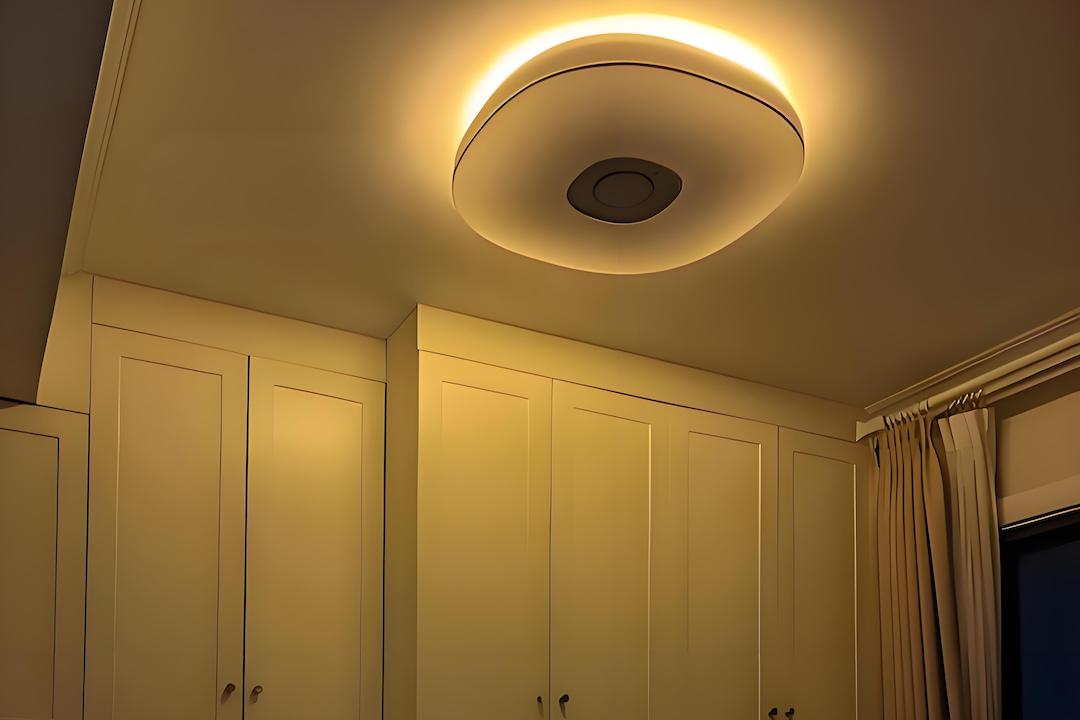
A tatami room, a foundational element of traditional Japanese architecture, is characterized by its flooring made of tatami mats, sliding shoji or fusuma doors, and often a tokonoma alcove. The design principles emphasize simplicity, natural materials, and a harmonious connection to nature. Within this aesthetic framework, lighting plays a crucial role in shaping the atmosphere and functionality of the space. A traditional tatami room ceiling light is not merely a utilitarian fixture; it is an integral design element that contributes to the room’s overall character, balancing illumination with aesthetic coherence.
These specialized ceiling lights Aralle are designed to complement the subdued and natural tones prevalent in tatami rooms. Unlike modern, overtly decorative or technologically advanced lighting solutions, traditional tatami room ceiling lights prioritize understated elegance and diffused illumination. Their design often incorporates materials like wood, paper (washi), and bamboo, reflecting the Japanese preference for natural elements. The purpose is to create a serene and inviting environment, suitable for various activities such as tea ceremonies, meditation, dining, or simply quiet contemplation.
The selection of a ceiling light for a tatami room goes beyond mere brightness levels. It involves considering the quality of light, its interaction with the space, and its contribution to the room’s overall sense of tranquility. This article explores the various facets of traditional tatami room ceiling lights, from their historical context to contemporary adaptations, providing guidance for those seeking to integrate such a fixture into their own spaces.
Historical Context and Evolution
The history of lighting in Japanese architecture is deeply intertwined with cultural and technological developments. Early Japanese dwellings relied on natural light during the day and oil lamps or candles after sundown. As architectural styles evolved, so did lighting solutions, albeit with a consistent emphasis on diffused light and natural materials.
Early Lighting Methods
Prior to the widespread adoption of electricity, traditional Japanese homes utilized various forms of illumination. Open hearths (irori) provided both heat and light, casting dynamic shadows. Later, oil lamps, often made of ceramic or metal, and candles offered localized light. These early methods produced warm, flickering light, which influenced the development of later lighting fixtures that aimed to replicate this soft glow.
Influence of Washi Paper and Wood
The advent of shoji screens, made from translucent washi paper and wooden lattices, revolutionized interior lighting. Shoji diffused natural light during the day, creating a soft, even illumination. This principle of diffused light became a cornerstone of Japanese interior design and heavily influenced the design of artificial lighting. As lighting fixtures evolved, washi paper was frequently incorporated, acting as a diffuser to soften the harshness of direct light sources. Wood, typically hinoki (Japanese cypress) or cedar, provided the structural framework, aligning with the architectural prevalence of wood.
Introduction of Electric Lighting
The late 19th and early 20th centuries saw the gradual introduction of electric lighting in Japan. Initially, bare bulbs were harsh and incongruous with the established aesthetic. Designers and artisans quickly adapted, incorporating existing materials and design principles to create electric fixtures that harmonized with traditional interiors. This period marked the transition from open flames to enclosed, diffused electric light sources, paving the way for the modern traditional tatami room ceiling light. The challenge was to integrate new technology without sacrificing the traditional sense of warmth and natural light.
Design Principles and Materials
The design of a traditional tatami room ceiling light is guided by principles of simplicity, natural aesthetic, and functionality. These lights are conceived not as stand-alone decorations, but as elements that seamlessly integrate with the room’s minimalist design.
Simplicity and Minimalism
A hallmark of Japanese design, simplicity is paramount. The lines are clean, unadorned, and often geometric. Extraneous ornamentation is avoided, allowing the inherent beauty of the materials to take prominence. This minimalist approach extends to the light’s form factor, ensuring it doesn’t overpower the serene atmosphere of the tatami room.
Natural Materials and Textures
The selection of materials is critical. Wood, particularly light-colored varieties like hinoki or cedar, is common for frames and structural elements. The natural grain of the wood adds subtle visual interest without being distracting. Washi paper is frequently used as a diffuser due to its ability to soften light and its translucent quality. Its fibrous texture provides a gentle filter, akin to sunlight passing through clouds. Bamboo is another material sometimes incorporated for its natural patterns and lightweight properties. These materials resonate with the natural elements found in a Japanese garden, bringing the outside in.
Forms and Shapes
Traditional tatami room ceiling lights often feature geometric shapes such as squares, rectangles, or circles. These shapes reflect the modularity of tatami mats and the rectilinear nature of traditional Japanese architecture. Suspended fixtures, flush mounts, or semi-flush mounts are common, chosen to optimize ceiling height and light distribution. The geometry is not rigid or imposing; rather, it aims to provide a sense of order and balance within the space. A well-designed fixture acts like a quiet anchor, grounding the room without drawing undue attention.
Types of Traditional Tatami Room Ceiling Lights
Within the overarching principles, several distinct types of traditional tatami room ceiling lights have emerged, each with its own characteristics and applications.
Flush Mount Lights
Flush mount lights are installed directly against the ceiling, offering a low-profile solution ideal for rooms with lower ceiling heights. They provide widespread, diffused illumination and are particularly suitable for smaller tatami rooms where vertical space is a premium. The simplicity of their design ensures they blend seamlessly into the ceiling, almost becoming an extension of the architectural surface.
Semi-Flush Mount Lights
Semi-flush mount lights hang slightly below the ceiling, typically by a short rod or decorative stem. This slight suspension allows for a more pronounced design element while still maintaining a relatively compact footprint. They can offer a greater degree of design variability compared to flush mounts and can be used to introduce a subtle visual hierarchy in the room.
Suspended Pendants and Chandeliers
While less common in strictly minimalist tatami rooms, suspended pendants or understated chandeliers are occasionally used, especially in larger spaces or those with higher ceilings. These fixtures offer a more dramatic statement and can serve as a focal point. However, careful consideration must be given to their size and visual weight to ensure they do not disrupt the room’s sense of balance and calm. A traditional Japanese chandelier, for instance, would be far more understated than its Western counterpart, often incorporating wood and paper elements.
Shoji-Inspired Lanterns
Drawing directly from the aesthetics of shoji screens, many traditional tatami room ceiling lights mimic the appearance of paper lanterns. These fixtures often feature wooden frames with translucent washi paper panels, creating a warm, inviting glow. They are perhaps the most iconic representation of traditional Japanese lighting, evoking a sense of heritage and timeless elegance. The light filtering through the washi resembles moonlight passing through a thin cloud, a quality cherished in Japanese aesthetics.
Considerations for Selection and Installation
Choosing and installing a traditional tatami room ceiling light requires careful consideration of various factors to ensure optimal functionality and aesthetic integration.
Room Size and Ceiling Height
The dimensions of the tatami room and its ceiling height are primary considerations. For small rooms or those with low ceilings, flush mount or semi-flush mount lights are generally preferred to avoid visual clutter and maintain a sense of spaciousness. In larger rooms or those with higher ceilings, pendants or more expansive fixtures can be incorporated, provided they are proportioned appropriately. A fixture that is too large can overwhelm a small space, while one that is too small can appear insignificant in a grander setting.
Light Output and Color Temperature
Traditional tatami rooms benefit from soft, warm, and diffused light. Overly bright or cool-toned lighting can disrupt the serene atmosphere. Look for fixtures that offer a warm color temperature (typically 2700K to 3000K) and provide ample, yet not intense, illumination. Dimmer switches are highly recommended to allow for adjustable light levels, catering to different moods and activities. The light should be gentle, like a whisper rather than a shout, fostering an environment of calm.
Integration with Existing Decor
The ceiling light should seamlessly integrate with the existing decor of the tatami room. Consider the finishes of other wooden elements, the color palette of the tatami mats, and any textile patterns. The light fixture should complement, not compete with, these established elements. A cohesive design ensures that the light feels like an organic extension of the room’s aesthetic. It should be a quiet partner to the other design elements, not a boisterous soloist.
Installation Requirements
Before purchasing, verify the installation requirements of the chosen fixture. This includes checking the electrical wiring compatibility, the mounting system, and whether professional installation is necessary. Safety is paramount, and ensuring proper installation prevents potential hazards and ensures longevity of the fixture. If you are uncertain about electrical work, consulting a qualified electrician is always advisable.
Maintenance and Care
Proper maintenance and care are essential to preserving the beauty and functionality of a traditional tatami room ceiling light, especially given the natural materials often employed.
Cleaning Washi Paper and Wood
Washi paper, while durable, is delicate. Dust regularly with a soft, dry cloth or a feather duster. Avoid using wet cloths or harsh chemicals, which can damage the paper. For wooden elements, wipe with a damp cloth and mild soap if necessary, then dry immediately. Avoid abrasive cleaners or excessive moisture, which can warp or stain the wood. Think of it as caring for a cherished antique; gentle handling ensures its longevity.
Bulb Replacement and Longevity
Regularly check and replace bulbs as needed. Opt for energy-efficient LED bulbs with the appropriate color temperature, as they consume less energy and have a longer lifespan, reducing the frequency of replacement. When replacing bulbs, ensure the power is off to prevent electrical shock. The choice of bulb impacts not only the light quality but also the overall energy footprint of the room.
Addressing Structural Issues
Periodically inspect the light fixture for any signs of structural wear, such as loose screws, frayed wiring, or weakened joints. Address any issues promptly to prevent further damage or safety hazards. If any electrical components appear compromised, consult a qualified electrician. Timely intervention can prevent minor issues from escalating into major problems, preserving the integrity of the light and the safety of the space.
Conclusion: Illuminating Serenity
A traditional tatami room ceiling light is more than just a source of illumination; it is a critical component in shaping the very essence of a Japanese-inspired space. By adhering to principles of simplicity, natural materials, and diffused light, these fixtures contribute to a serene and harmonious environment. Like a gentle breeze through shoji screens, the light it casts speaks of tranquility and balance.
From the historical evolution deeply rooted in cultural aesthetics to the practical considerations of modern implementation, understanding these nuances allows for an informed selection. The right ceiling light can transform a room from merely illuminated to truly enchanting, creating a haven where light and shadow dance in quiet reverence. By carefully considering design, materials, and functionality, you can ensure your tatami room ceiling light illuminates not just the space, but also the spirit of Japanese design, fostering an atmosphere of peace and introspection. Your choice of lighting becomes a silent poem, articulating the soul of the room.