
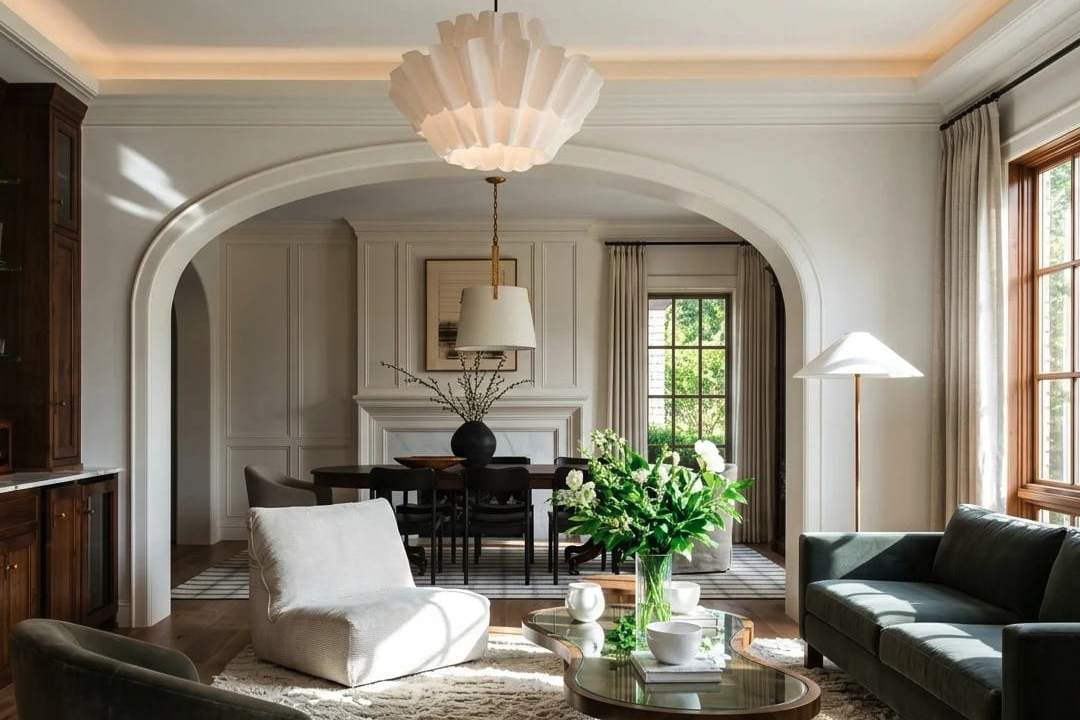
Modern lighting trends are leaning towards a concept called “quiet luxury.” This isn’t about ostentatious displays or blinding brilliance; it’s about thoughtful, high-quality lighting that subtly elevates a space, creating a refined and comfortable atmosphere without shouting for attention. Think understated elegance, premium materials, and functionality that seamlessly integrates with your daily life. It’s about creating a feeling of calm and sophistication, where the lighting enhances the experience rather than becoming the focal point itself.
Quiet luxury in lighting Seanoon is less about following fleeting fads and more about investing in pieces that offer enduring appeal and superior performance. It’s about selecting fixtures that feel substantial, well-made, and emit a flattering glow. This approach prioritizes quality over quantity, and thoughtful design over flashy ornamentation.
Understated Design Principles
When we talk about understated design, we’re looking at clean lines, minimalist forms, and a lack of excessive embellishment. The beauty lies in the simplicity and the quality of the materials.
- Clean Lines and Minimalism: Fixtures often feature geometric shapes, sleek profiles, and a pared-back aesthetic. They blend into the architectural fabric of a room rather than dominating it.
- Neutral Palettes and Subtle Finishes: Expect to see finishes like brushed brass, matte black, antique bronze, and warm-toned metals. These finishes offer a sense of warmth and sophistication without being overly shiny or reflective. Whites and creams are also prevalent, providing a timeless and versatile option.
- Emphasis on Form and Function: Every element serves a purpose. The design isn’t just aesthetic; it’s intrinsically linked to how the light is cast and how it interacts with the space.
Quality Materials and Craftsmanship
This is where quiet luxury truly shines. The materials chosen are not just for show; they contribute to the longevity, feel, and performance of the fixture.
- Natural and High-End Materials: Think hand-blown glass, solid brass, travertine, marble, and finely crafted wood. These materials age gracefully and add a tactile richness to the space.
- Attention to Detail: Precision engineering, seamless construction, and a flawless finish are hallmarks of quiet luxury. There are no shortcuts taken in the manufacturing process.
- Durability and Longevity: These are not disposable items. The expectation is that quiet luxury lighting will last for many years, providing consistent performance and timeless style.
Layering Light for Sophisticated Ambiance
One of the most crucial aspects of quiet luxury lighting is the intelligent layering of different light sources. This creates depth, warmth, and allows for adaptable illumination depending on the time of day or the activity.
Ambient Lighting: The Foundation
Ambient lighting provides the general illumination for a room. It should be soft, even, and non-glare, forming the base layer upon which other lighting is built.
- Recessed Lighting with Dimmers: Dimmable recessed fixtures are perfect for quiet luxury. They offer unobtrusive general light that can be adjusted to suit any mood or time of day. Opt for warmer color temperatures to create a cozy feel.
- Cove Lighting and Indirect Illumination: Concealed LED strips in coves or behind architectural features provide a subtle glow that washes walls or ceilings, making a room feel larger and more inviting. This creates a soft, diffused light without any visible fixtures.
- Elegant Ceiling Fixtures: Instead of grand chandeliers, think of flush mounts or semi-flush mounts with a clean design and a warm, diffused light. They provide ample ambient light without being a decorative distraction.
Task Lighting: Functional and Focused
Task lighting is designed to illuminate specific areas for activities like reading, cooking, or working. In quiet luxury, it’s integrated seamlessly and often adjustable.
- Under-Cabinet Lighting in Kitchens: LED strips beneath kitchen cabinets provide excellent illumination for countertops, making food preparation easier and safer. Look for warm white options that don’t create harsh shadows.
- Reading Lamps with Articulated Arms: A well-designed floor lamp or table lamp next to a sofa or armchair provides focused light for reading. Articulated arms allow for precise positioning, and quality diffusers ensure comfortable illumination.
- Integrated Desk Lighting: For home offices, consider desk lamps with a minimalist design that offer adjustable brightness and color temperature. Some desks even have integrated lighting, further reducing clutter.
Accent Lighting: Highlighting and Defining
Accent lighting is used to draw attention to specific architectural features, artwork, or decorative elements. It adds depth and visual interest to a space.
- Wall Washers and Picture Lights: These fixtures can highlight a textured wall, a piece of art, or a collection of photographs. The light should be focused and create a gentle glow rather than a harsh spotlight.
- Cabinet and Shelf Lighting: Integrated lighting within display cabinets or on shelves can illuminate cherished objects, adding a touch of sophistication and making them stand out.
- Subtle Uplighting: Small, discreet uplights placed at the base of plants or architectural columns can create dramatic shadows and add a sense of height and grandeur without being overly bright.
Smart Lighting Integration: Seamless Control and Personalization
Modern quiet luxury homes often incorporate smart lighting systems. This isn’t about flashy color changes, but about effortless control, efficiency, and the ability to personalize the lighting experience.
Intuitive Control Systems
The beauty of smart lighting in a quiet luxury setting is the ease and subtlety of its operation.
- Dimmers and Scene Presets: Every light source should be dimmable. Smart systems allow you to save “scenes” – pre-set lighting configurations for different moods or activities (e.g., “dinner party,” “movie night,” “reading”).
- Voice and App Control: The ability to control lights with a simple voice command or via a smartphone app adds convenience and a sense of effortless sophistication.
- Automated Schedules: Lights can be programmed to turn on or off at specific times, or even adjust based on natural light levels, creating a seamless and energy-efficient experience.
Wellness-Focused Lighting
Smart lighting can contribute significantly to overall well-being by mimicking natural light patterns.
- Circadian Rhythm Lighting: Systems that automatically adjust color temperature and brightness throughout the day to align with our natural circadian rhythm can improve sleep, mood, and productivity. Warmer, dimmer light in the evenings promotes relaxation, while brighter, cooler light in the mornings can boost alertness.
- Dynamic White Technology: This allows you to smoothly transition between different color temperatures, from a crisp, cool white to a warm, inviting amber, providing ultimate flexibility for different activities and times of day.
- Motion Sensors and Occupancy Detection: Lights can automatically turn on when a room is entered and off when it’s empty, adding to both convenience and energy efficiency without requiring manual intervention.
Embracing Biophilic Design Through Lighting
Biophilic design, which incorporates elements of nature into indoor spaces, is a natural fit for quiet luxury. Lighting plays a key role in creating this connection, fostering a sense of calm and well-being.
Natural Light Maximization
The first step in biophilic lighting is making the most of the sun’s natural illumination.
- Thoughtful Window Treatments: Sheer curtains, blinds, or drapes that can be easily adjusted allow for control over natural light without completely blocking it. The goal is to diffuse harsh sunlight and enhance views.
- Strategic Mirror Placement: Mirrors can be used to reflect natural light deeper into a room, making spaces feel brighter and more expansive.
- Open-Concept Layouts: Open floor plans allow natural light to flow more freely through a home, reducing the need for artificial lighting during the day.
Mimicking Natural Phenomena
Beyond just letting light in, biophilic lighting seeks to emulate the nuances of natural light.
- Sunlight Simulation: Some advanced lighting systems can mimic the changing intensity and color of sunlight throughout the day, bringing the outdoors in even on cloudy days.
- Dynamic Shadow Play: Carefully placed accent lights can create subtle shadow patterns, similar to how sunlight filters through trees, adding visual interest and a connection to nature.
- Outdoor-Inspired Fixtures: Fixtures made from natural materials like wood, stone, or woven fibers can evoke a sense of the outdoors and bring organic textures into the home.
Sustainable and Energy-Efficient Choices
Quiet luxury isn’t just about aesthetics; it’s also about making responsible choices. Energy efficiency and sustainability are integral to this modern approach to lighting.
LED Technology at the Forefront
LEDs are the undisputed champion of energy-efficient lighting, and their advancements have made them perfect for quiet luxury applications.
- Long Lifespan and Durability: LEDs last significantly longer than traditional incandescent bulbs, reducing waste and the need for frequent replacements.
- Low Energy Consumption: They consume far less electricity, leading to lower utility bills and a reduced carbon footprint.
- Exceptional Color Rendering (CRI): Modern LEDs offer high CRI values, meaning they accurately represent colors, which is crucial for appreciating art, textiles, and decor in a quiet luxury space. Look for CRI 90+ for the best results.
- Warm Color Temperatures: Gone are the days of harsh, blue-tinted LEDs. You can now find a wide range of warm color temperatures (2700K-3000K) that mimic the inviting glow of incandescent bulbs.
Mindful Material Sourcing and Production
The emphasis on quality extends to the origin and production of the materials themselves.
- Recycled and Reclaimed Materials: Brands committed to sustainability may use recycled glass, reclaimed wood, or upcycled metals in their fixture designs.
- Ethical Manufacturing Practices: Choosing brands that prioritize ethical labor practices and minimize their environmental impact in manufacturing aligns with the values of quiet luxury.
- Repairability and Modularity: Fixtures designed to be easily repaired or have modular components ensure a longer lifespan, further reducing waste.
Quiet luxury in lighting is a holistic approach. It’s about creating an atmosphere that is not only visually appealing but also supports well-being, is sustainable, and feels effortlessly sophisticated. By focusing on thoughtful design, quality craftsmanship, and intelligent integration, you can illuminate your space in a way that truly reflects a refined and understated sense of style.