
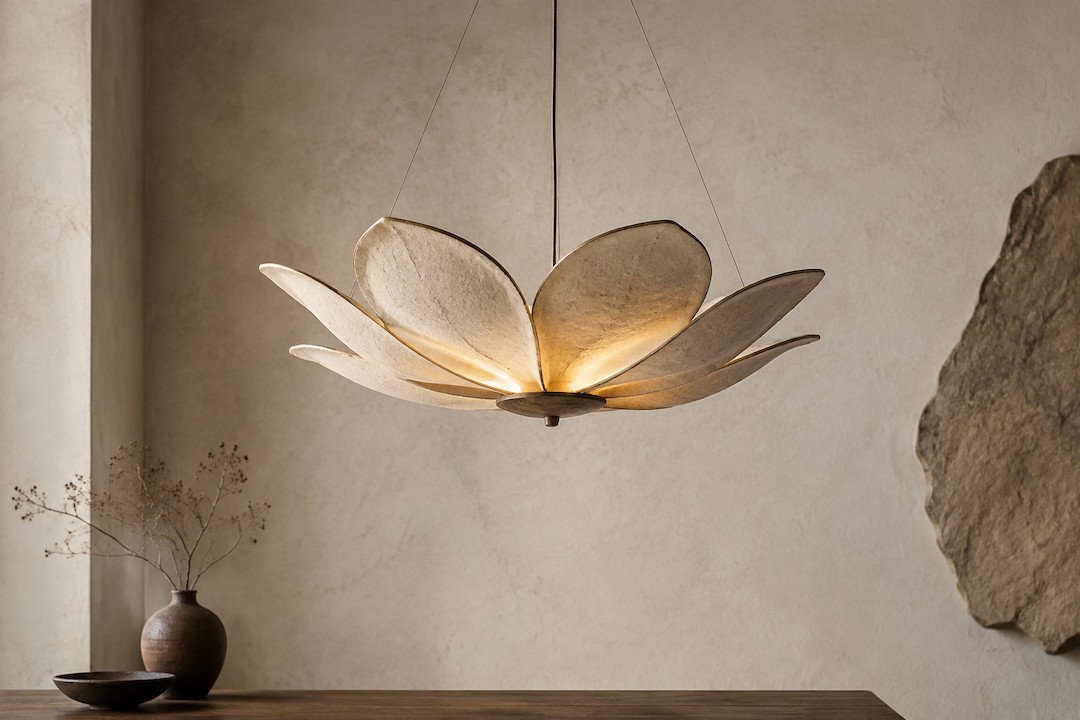
Let’s talk about bringing a bit of that beautifully imperfect Japanese aesthetic into your home, specifically with a Wabi Sabi linear chandelier shaped like a flower. If you’re wondering if this unique lighting fixture can actually work for you, the short answer is: absolutely! It’s less about rigid perfection and more about finding beauty in the natural, the transient, and the subtly flawed. Think of it as a statement piece that adds character, warmth, and a touch of mindful artistry to your space, rather than just another light source.
Before we dive into the flower chandelier Axundoor itself, it’s helpful to understand the philosophy it draws from. Wabi Sabi isn’t about grand statements or shiny finishes. It’s a worldview centered on the acceptance of transience and imperfection. It finds beauty in things that are humble, modest, and unconventional.
Rooted in Nature and Time
At its core, Wabi Sabi is deeply connected to nature. It appreciates the natural aging process, the way things weather and change over time. Think of a moss-covered stone, a gnarled tree branch, or the crackle glaze on a handmade ceramic bowl. These aren’t seen as flaws, but as marks of history and character.
Embracing Asymmetry and Irregularity
Unlike design styles that demand perfect symmetry and flawless surfaces, Wabi Sabi celebrates irregularity. A slightly off-kilter line, an uneven texture, or a natural variation in color are all part of its charm. It’s about embracing the “as found” quality of things.
The Beauty of the Imperfect Object
Wabi Sabi encourages us to look beyond the polished and pristine. It finds profound beauty in the understated, the worn, and the handmade. It’s an appreciation for the story that an object tells, the journey it has taken. This can translate to materials like unvarnished wood, textured plaster, or even the subtle imperfections in blown glass.
Introducing the Flower-Shaped Wabi Sabi Linear Chandelier
Now, let’s bring this philosophy down to earth and focus on our specific star: the flower-shaped Wabi Sabi linear chandelier. This isn’t your typical, uniform floral arrangement of lights. Instead, it captures the essence of a blooming flower in a more organic, less literal way.
More Than Just a Shape: An Artistic Interpretation
When we talk about a “flower shape” in a Wabi Sabi context, we’re not talking about perfectly symmetrical petals or a cartoonish bloom. It’s more likely to be an abstract interpretation. Imagine a central cluster of lights with radiating elements that suggest petals, but these elements might vary in size, texture, or even slightly in their angle.
Linear Design with Organic Flair
The “linear” aspect means it’s designed to span a space, like a dining table or a kitchen island, rather than being a singular, central hanging fixture. This linear form, combined with the organic flower-inspired elements, creates a dynamic and visually interesting piece. It guides the eye along its length while introducing a natural, blooming form.
Materials That Speak of Time and Nature
You’ll often find these chandeliers crafted from materials that inherently lend themselves to the Wabi Sabi aesthetic. This could include:
- Hand-blown glass: With subtle variations in thickness, air bubbles, or organic colorations.
- Natural wood: Perhaps unfinished or lightly treated, showcasing its grain and any natural knots or imperfections.
- Aged metal: Like patinated brass, blackened steel, or copper that has developed a natural verdigris.
- Textured finishes: Think of matte surfaces, subtle undulations, or even a deliberately rougher feel.
Where This Chandelier Shines: Integrating into Your Home
So, where does a piece like this actually fit? It’s not a one-size-fits-all fixture, but when placed thoughtfully, it can truly transform a room. Think about the kinds of spaces where its character can be best appreciated.
Dining Rooms: The Heart of Gathering
The dining room is often a central hub for connection and shared meals. A Wabi Sabi flower chandelier here can set a warm, inviting, and contemplative atmosphere.
Enhancing the Table Experience
The linear design naturally draws attention to the dining table, making it the focal point. The light cast will be soft and diffused, creating an intimate setting for meals. The organic flower shape can add a touch of gentle beauty without being overly ornate or distracting from the food and company.
A Touch of Quiet Sophistication
Instead of a dazzling, formal chandelier, this piece offers a more grounded and sophisticated ambiance. It’s the kind of light that encourages conversation and a sense of calm, perfect for both everyday dinners and special occasions.
Kitchen Islands and Breakfast Nooks: Casual Elegance
Kitchens have become extensions of our living spaces, and the island or breakfast nook is often a place for casual gatherings.
Illuminating Practical Spaces with Art
Bringing an artistic Wabi Sabi element to a functional space like a kitchen can elevate its appeal. The flower-shaped chandelier adds a touch of unexpected beauty, turning a utilitarian area into something more inspiring.
Soft Light for Morning and Evening
The diffused light from such a fixture is ideal for both early morning coffee and relaxed evening meals. It avoids harsh glare, making the kitchen a more welcoming and comfortable place to be.
Living Areas: Creating a Focal Point with Soul
While often associated with dining areas, a Wabi Sabi linear chandelier can also find a home in a living room, especially in areas that might benefit from a softened, artistic touch.
Above a Coffee Table or Conversation Area
If you have a defined seating arrangement in your living room that includes a coffee table, a linear chandelier can act as a beautiful anchor. Its unique form will draw the eye and create an interesting visual element without overwhelming the space.
A Softer Alternative to Recessed Lighting
For those who find standard recessed lighting a bit too stark, a Wabi Sabi chandelier offers a more sculptural and characterful alternative for ambient lighting. It provides illumination while also serving as a piece of art.
Craftsmanship and Materials: The Unseen Beauty
The true magic of a Wabi Sabi piece lies in the details of its creation. It’s not mass-produced to be identical; it’s crafted with an understanding of the materials and their inherent qualities.
The Art of Hand-Blown Glass
If your chandelier features glass elements, the hand-blown process is key.
Natural Variations in Form and Color
Each piece of hand-blown glass will have its own subtle differences. This could mean slight variations in thickness, the presence of small air bubbles trapped within, or unique color striations. These aren’t mistakes; they are the hallmarks of a human touch and the natural properties of the material.
Diffused and Atmospheric Light
Hand-blown glass tends to diffuse light beautifully, creating a soft, atmospheric glow rather than a harsh beam. This contributes significantly to the Wabi Sabi mood.
Wood: Embracing Its Natural Character
When wood is incorporated, it’s usually chosen for its inherent beauty.
Showcasing the Grain and Knots
You might see natural wood grain patterns, visible knots, or even slight imperfections that add to its character. The finish will likely be matte or natural, allowing the wood’s texture to be felt.
A Grounding and Earthy Element
Wood provides a sense of warmth, stability, and connection to nature, aligning perfectly with the Wabi Sabi philosophy.
Metal Finishes: The Patina of Time
The metals used will often reflect the Wabi Sabi appreciation for aging.
Aged and Patinated Surfaces
Instead of shiny chrome or polished brass, you might find finishes like darkened bronze, blackened steel, or brass that has been allowed to naturally patina. This shows the passage of time and adds a rich, layered look.
Subtle Textures and Unevenness
The surface might not be perfectly smooth. Expect subtle textures or slight variations in color across the metal, adding to its authentic feel.
Design Considerations: Making It Work for You
Choosing a Wabi Sabi chandelier is about more than just liking the look; it’s about understanding how it will interact with your existing decor and the overall feel of your space.
Scale and Proportion: Finding the Right Fit
Like any lighting fixture, scale is crucial.
Avoiding Overwhelm or Underwhelm
A linear chandelier needs to be appropriately sized for the space it’s illuminating. Too small, and it will get lost. Too large, and it can feel overbearing. Measure your dining table or island and consider the overall room dimensions.
The “Just Right” Balance
The flower-inspired elements should feel balanced within the linear form. It shouldn’t look like a rigid geometric shape trying to be organic, nor should it be so abstract that the flower inspiration is lost.
Style Compatibility: Embracing Contrast and Harmony
Wabi Sabi doesn’t always mean a strictly minimalist Japanese-inspired room. It can also be a beautiful contrast.
Complementing Modern and Minimalist Spaces
In a sleek, modern home, a Wabi Sabi chandelier can act as a grounding, organic counterpoint. It adds a layer of warmth and texture that prevents a minimalist space from feeling sterile.
Enhancing Natural or Rustic Decor
If your home already leans towards natural materials, earthy tones, or a more rustic feel, this type of chandelier will seamlessly integrate, amplifying those qualities.
The Art of Intentional Contrast
Don’t be afraid to place it in a more traditional setting. The unexpected element of Wabi Sabi can add a fresh, contemporary twist that feels both deliberate and intriguing.
Light Quality: Mood and Functionality
The type of light it emits is as important as its aesthetic.
Warm and Diffused Illumination
Wabi Sabi lighting is typically warm and inviting. The goal is to create a mood, not to flood a space with harsh light. This makes it excellent for creating ambiance.
Balancing Ambient and Task Lighting
While it provides beautiful ambient light, consider if you also need dedicated task lighting for certain activities. For example, over a kitchen island, you might want to ensure the light is sufficient for food preparation, even if it’s diffused.
Embracing Imperfection in Your Everyday
Ultimately, embracing a Wabi Sabi linear flower chandelier is an invitation to appreciate the beauty of the imperfect in your own home. It’s a reminder that flaws can be features, that time and nature add value, and that true beauty often lies in the understated and the authentic.
Beyond Decoration: A Mindset Shift
This isn’t just about buying a light fixture; it’s about adopting a different way of seeing. It encourages you to look for the quiet beauty in everyday objects and the spaces you inhabit.
Creating a Sanctuary of Authenticity
By incorporating pieces like this, you’re crafting a home that feels more real, more lived-in, and more personal. It’s about creating a sanctuary where authenticity is celebrated.
The Lasting Appeal of Natural Imperfection
Unlike trends that fade, the appeal of natural materials and the beauty of imperfection endures. A Wabi Sabi chandelier offers a timeless quality, a connection to something deeper than fleeting fashion. It’s a piece that will continue to delight and intrigue, evolving with your home and your own appreciation for the beautifully imperfect.