
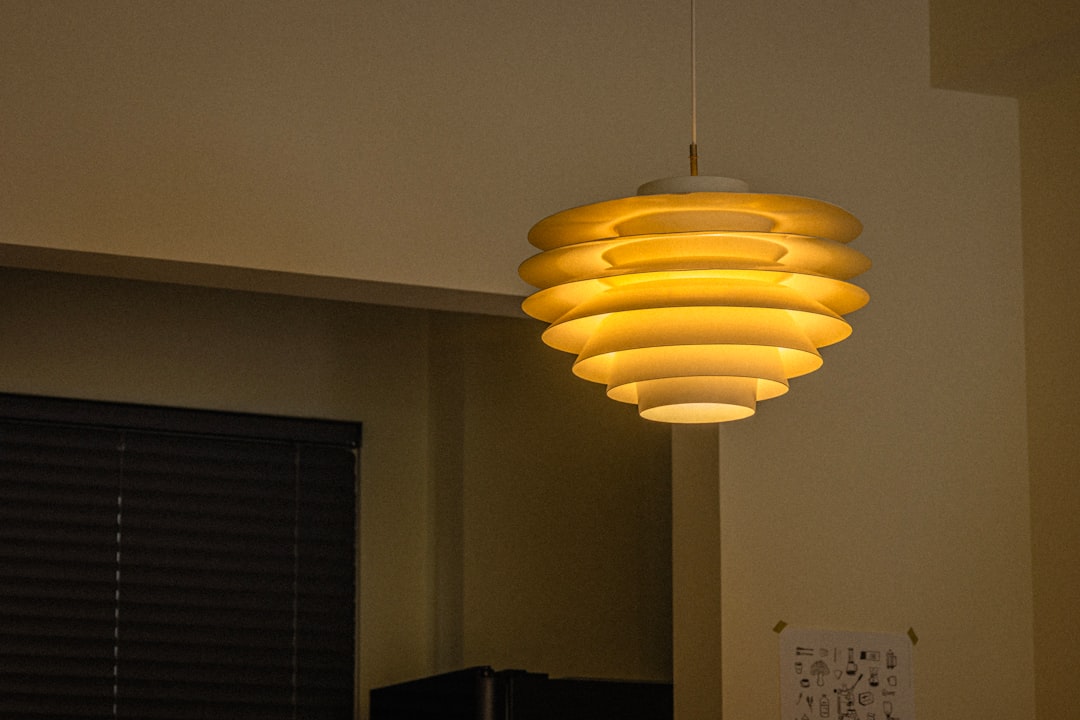
Dining spaces have evolved. Beyond mere sustenance, they are now centers for connection, celebration, and personal expression. The right lighting can transform a utilitarian area into an inviting atmosphere. Linear pendant lights offer a practical and aesthetic solution for this.
Linear pendant lights are not simply decorative elements; they serve functional purposes that directly contribute to an improved dining experience. Their design, characterized by a long, horizontal form, allows for broader coverage and more focused illumination compared to traditional single point fixtures.
Spreading Light Evenly
One of the primary benefits of linear pendants is their capacity to distribute light across a larger surface area. This is particularly advantageous over a dining table, ensuring that all guests are adequately lit without creating harsh shadows or dark spots. The elongated shape of these fixtures allows for a wider spread of light, promoting a more uniform and comfortable environment. This evenness is crucial for activities like serving food, reading menus, or simply engaging in conversation.
Targeted Illumination
While spreading light broadly, linear pendants also excel at providing targeted illumination directly onto the dining surface. This focused beam is ideal for highlighting the table and its contents, making meals more visually appealing. The controlled beam also helps to define the dining area within a larger open-plan space, creating a sense of enclosure and focus.
Versatility in Scale
Linear pendants come in a range of lengths and styles, allowing them to be scaled to suit various dining room sizes and table dimensions. A shorter fixture might be appropriate for a smaller bistro table, while a more substantial pendant can command attention over a long farmhouse table. This scalability ensures that the lighting solution can be tailored to the specific needs of the space.
Reducing Glare and Eye Strain
The diffused or strategically directed light of many linear pendants can minimize glare, a common issue with single, bright overhead lights. This reduction in glare contributes to a more relaxed and comfortable dining environment, reducing eye strain and allowing diners to focus on their food and company.
Design Considerations for Linear Pendants
Selecting the right linear pendant involves more than just its functional benefits. The aesthetic impact of these fixtures is significant and should be carefully considered to complement the overall interior design.
Material Choices
The materials used in linear pendant construction play a role in both their visual appeal and how they interact with light.
Metal Finishes
Metals such as brushed nickel, polished chrome, brass, and matte black are common. Each offers a distinct character. Brushed nickel and chrome provide a contemporary feel, while brass can add warmth and a touch of vintage charm. Matte black offers a modern, minimalist aesthetic. The finish can influence how light reflects and whether it creates a warm or cool ambiance.
Glass and Acrylic
Many linear pendants incorporate glass or acrylic shades. Clear glass allows for unobstructed light, while frosted or seeded glass diffuses light for a softer glow. Acrylic can offer a lightweight, modern alternative with various translucency options. The transparency or opacity of these materials directly impacts the quality of light emitted.
Wood and Other Natural Materials
Some designs integrate wood or other natural elements, bringing an organic texture into the space. These often pair well with rustic or bohemian interiors, offering a softer, more tactile presence.
Style and Form
The silhouette and design of a linear pendant can dramatically influence the room’s character.
Minimalist and Sleek
For contemporary spaces, minimalist designs with clean lines and unobtrusive profiles are effective. These fixtures often prioritize function and subtlety, blending seamlessly into the decor.
Industrial and Utilitarian
Linear pendants with exposed bulbs or robust metal frameworks can lend an industrial or utilitarian feel. These are often a good choice for lofts or spaces with a more casual, raw aesthetic.
Decorative and Ornate
Some linear pendants feature more elaborate detailing, intricate patterns, or unique shapes. These can act as a focal point, adding a decorative flourish to the dining room.
Scale and Proportion
The size of the linear pendant relative to the dining table and the room itself is paramount.
Matching Table Length
A general guideline is to select a pendant that is approximately one-third to one-half the length of the dining table. This proportion ensures a balanced visual relationship between the fixture and the furniture.
Ceiling Height Considerations
As with any pendant light, ceiling height is a critical factor. Lower ceilings may require more compact or higher-mounted linear pendants to avoid obstruction. Higher ceilings can accommodate longer drops and more substantial fixtures.
Integrating Linear Pendants with Existing Decor
The successful incorporation of linear pendant lighting requires careful thought about how it will interact with the existing elements of the dining room. It should enhance, not overwhelm, the current design.
Complementing Table Styles
The style of the linear pendant should harmonize with the dining table. A sleek, modern pendant might complement a glass-topped table, while a wooden or metal fixture could pair well with a solid wood table.
Coordinating with Wall Colors and Finishes
The color and finish of the pendant can be used to tie in with wall colors, trim, or other architectural details. A matte black pendant can echo black accents elsewhere in the room, for instance.
Balancing Other Light Sources
Linear pendants are often the primary source of light over a dining table, but they should be considered in conjunction with other lighting in the room.
Ambient Lighting
Ambient lighting, provided by ceiling fixtures or wall sconces, sets the overall mood. The linear pendant’s light should complement, not clash with, this ambient illumination. Dimmers are useful for controlling the intensity of both the pendant and ambient lights.
Accent Lighting
Accent lighting, such as picture lights or task lighting in a nearby bar area, can add depth and dimension to the dining space. The linear pendant’s primary role is illumination of the table, so accent lighting serves different purposes.
The Impact of Light Quality and Color Temperature
Beyond the physical form of the light fixture, the quality of the light it emits and its color temperature profoundly affect the dining experience.
Understanding Lumens and Brightness
Lumens measure the total amount of visible light emitted by a source. The number of lumens required will depend on the size of the dining area and the desired brightness. For a dining table, a balance is needed – bright enough to see food clearly, but not so bright that it feels harsh.
Color Temperature: Warm vs. Cool
Color temperature is measured in Kelvin (K) and describes the color of light.
Warm White (2700K – 3000K)
Warm white light mimics the incandescent bulbs of the past, providing a yellowish hue. This is often preferred for dining rooms as it creates a cozy, inviting atmosphere and can make food appear more appetizing.
Neutral White (3100K – 4000K)
Neutral white light is a balance between warm and cool tones. It is a more versatile option and can be suitable for dining spaces that are also used for other activities.
Cool White (4000K+)
Cool white light has a bluish tint. While it can be energizing, it is generally less conducive to a relaxing dining experience and can make food look less appealing.
Dimmability: A Key Feature
The ability to dim linear pendant lights is a significant advantage.
Creating Ambiance
Dimmers allow for adjustment of light intensity, enabling the creation of different moods. For formal dinners, brighter light might be desired, while for casual gatherings or intimate meals, a softer glow is often preferred.
Energy Efficiency
Dimming lights can also contribute to energy savings by reducing the amount of electricity consumed when full brightness is not necessary.
Modern Innovations and Trends in Linear Pendants
The field of lighting design is constantly evolving, with new technologies and aesthetic trends influencing the development of linear pendant lights.
Smart Technology Integration
Many modern linear pendants now incorporate smart technology.
App Control and Voice Activation
These fixtures can often be controlled via smartphone apps or voice commands through smart home systems. This allows for effortless adjustment of brightness, color temperature, and even pre-programmed lighting scenes.
Color Changing Capabilities
Some advanced models offer the ability to change color temperature and even display a spectrum of colors, allowing for dynamic and personalized lighting environments.
Energy-Efficient LED Technology
The widespread adoption of LED technology has revolutionized lighting.
Longevity and Durability
LEDs are known for their exceptionally long lifespan, reducing the need for frequent bulb replacements. They are also more durable than traditional incandescent bulbs.
Reduced Energy Consumption
LEDs consume significantly less energy than older lighting technologies, leading to lower electricity bills and a reduced environmental impact.
Sustainable Materials and Manufacturing
There is a growing emphasis on using sustainable materials and eco-friendly manufacturing processes.
Recycled and Responsibly Sourced Materials
Manufacturers are increasingly utilizing recycled metals, reclaimed wood, and other responsibly sourced materials in their designs, appealing to environmentally conscious consumers.
Modular Designs for Longevity
Some linear pendants are designed with modular components, allowing for easier repair or replacement of individual parts rather than the entire fixture, extending its usable life.
The strategic placement and thoughtful selection of a linear pendant light can elevate a dining space from functional to a truly enhanced experience. It is an investment in both the aesthetics and the practicality of a central gathering area within the home.