
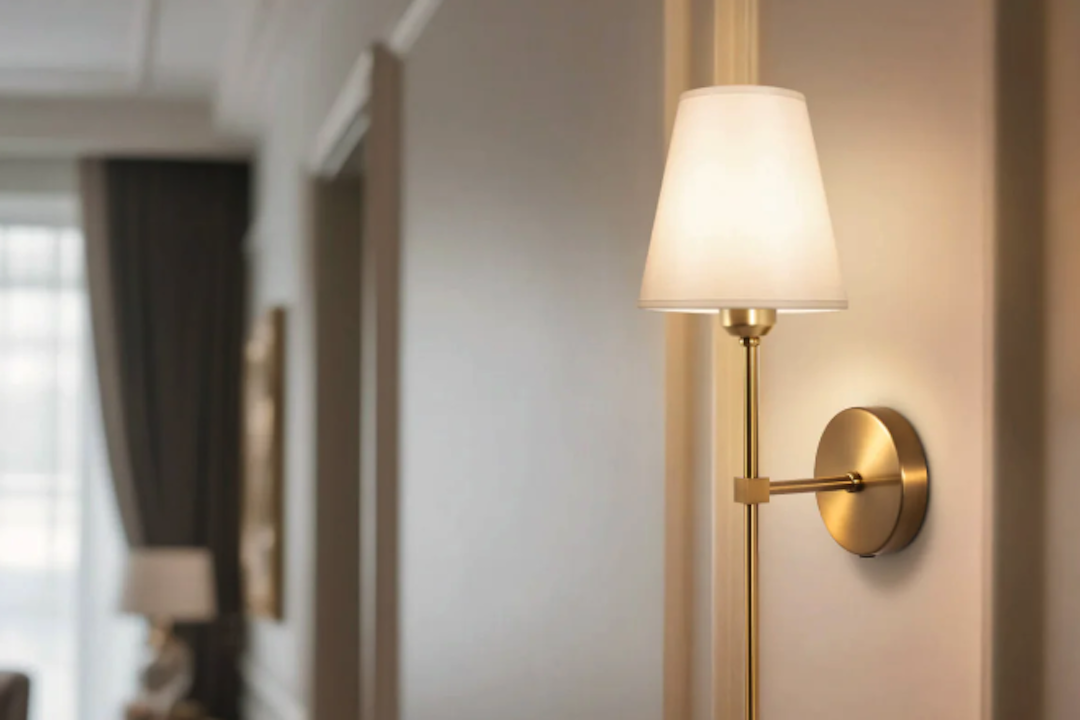
This article examines the vintage brass wall sconce as a lighting fixture, specifically in the context of hallways. We will explore its historical development, material properties, design characteristics, installation considerations, and overall impact on interior aesthetics. The intention is to provide a comprehensive overview for those interested in incorporating such a piece into a home or commercial space.
Historical Context and Evolution
Vintage brass wall sconces are not a modern invention; they represent an evolution of portable and fixed light Unilamplighting sources that have illuminated human spaces for centuries. Before the widespread adoption of electricity, homes relied on candles, oil lamps, and gas lighting. Wall sconces served as practical means to hold these illuminants, projecting light outwards and upwards to expand the perceived space of a room.
The Advent of Flame-Based Illumination
- Candle Holders: Early sconces were rudimentary, designed to hold single candles. These might have been simple metal spikes or more elaborate, often ornate, brackets. The materials primarily consisted of wrought iron, brass, or bronze, chosen for their durability and ability to withstand heat.
- Oil Lamps and Lanterns: As oil lamps became more common, sconces adapted to accommodate their design. This often involved wider platforms or more secure enclosures to prevent accidents. Lantern-style sconces, with glass panels to protect the flame from drafts, also emerged, offering a more controlled light source.
- Gas Lighting: The introduction of gas lighting in the 19th century marked a significant advancement. Sconces were engineered to safely channel and disperse gas, often featuring multiple burners and decorative gas tap handles. This period saw a rise in opulent designs, reflecting the wealth and status of homeowners.
The Transition to Electricity
The advent of electric lighting in the late 19th and early 20th centuries revolutionized home illumination. Sconces were readily adapted to house electric bulbs.
- Early Electric Sconces: Initially, electric sconces mimicked the forms of their gas and oil predecessors. Brass remained a popular material due to its malleability and perceived elegance. Bulb designs often aimed to replicate the soft glow of candles or flames, utilizing frosted glass globes or shades.
- Art Deco and Art Nouveau Influences: These design movements significantly influenced sconce aesthetics. Art Deco sconces often featured geometric patterns, stepped lines, and polished brass finishes. Art Nouveau examples incorporated organic, flowing forms inspired by nature.
The “Vintage” Classification
The term “vintage” in the context of brass wall sconces typically refers to pieces manufactured from the early 20th century up to roughly the 1970s or 1980s. These items are valued for their craftsmanship, historical significance, and the patina that brass develops over time, which is often considered desirable.
Material Properties of Brass
Brass is an alloy of copper and zinc, and its properties make it a suitable and enduring material for lighting fixtures. Understanding these properties helps explain its prevalence in vintage sconces.
Composition and Characteristics
- Alloys and Variations: The ratio of copper to zinc in brass can vary, affecting its color, hardness, and corrosion resistance. Common brass alloys used in lighting include cartridge brass (70% copper, 30% zinc) and naval brass (60% copper, 39% zinc, 1% tin). These variations influence the resulting patina over time.
- Durability and Strength: Brass is a relatively strong and durable metal. It can withstand moderate impacts and is less prone to warping or breaking than some other materials. This inherent resilience contributed to the longevity of vintage sconces.
- Corrosion Resistance: While brass can tarnish, it generally exhibits good resistance to corrosion, especially compared to iron or steel. The greenish or dark patina that can develop on brass is a surface oxidation layer that protects the underlying metal.
- Workability and Formability: Brass is highly malleable and ductile, meaning it can be easily cast, forged, stamped, and machined into intricate shapes. This property allowed for the creation of the elaborate and decorative designs seen in many vintage sconces.
The Aesthetic of Patina
The aging process of brass, known as developing a patina, is a key aspect of its appeal for vintage applications.
- Natural Tarnish: Over time, brass reacts with oxygen and other environmental elements, forming a layer of oxides and sulfides. This process is influenced by humidity, air quality, and exposure to touch.
- Development of Color: The emergent patina can range from a warm golden hue to deep browns, greens, and even blacks, depending on the alloy and environmental factors. This variation creates a unique visual character for each piece.
- Restoration vs. Preservation: While some may choose to polish vintage brass to its original shine, many collectors and designers prefer to preserve the natural patina. This decision impacts the overall authenticity and visual narrative of the piece. A well-developed patina can be seen as a testament to the sconce’s history and usage.
Design Elements and Styles
The design of vintage brass wall sconces is a reflection of the eras in which they were produced. Hallway sconces, in particular, were often designed to be understated yet impactful, providing functional light without overwhelming the passage.
Common Formats and Structures
- Arm Sconces: These typically feature a single arm extending from a wall plate, supporting a light source at its end. The arm can be straight, curved, or elaborately scrolled.
- Candle-Style Sconces: Designed to replicate the look of candle holders, these often have a drip plate or faux candle nozzle at the point where the bulb is housed.
- Globe or Bowl Sconces: These incorporate a glass globe or bowl as the primary shade, either enclosing the bulb entirely or serving as a diffuser.
- Lantern Sconces: Drawing inspiration from outdoor lanterns, these often feature a cage-like structure or a multi-panel glass enclosure.
Decorative Motifs and Embellishments
- Classical Influences: Many vintage sconces incorporate motifs drawn from classical architecture and mythology, such as acanthus leaves, scrolls, and floral elements.
- Geometric Patterns: Particularly prominent in Art Deco designs, geometric shapes like chevrons, stepped patterns, and concentric circles were frequently employed.
- Figurative Elements: While less common in hallway sconces due to their functional nature, some earlier or more decorative pieces might feature stylized figurative elements.
- Shade Materials: Beyond glass, shades could also be made of frosted glass, alabaster, or even fabric, each contributing to the diffusion and quality of light.
Significance in Hallway Design
Hallways serve as transition spaces, connecting different areas of a home. Lighting in these areas needs to be both functional and contribute to the overall atmosphere.
- Illuminating Pathways: Sconces provide ambient and task lighting along the natural path of foot traffic, ensuring safe navigation.
- Creating Ambiance: The warm glow of brass, especially when diffused through a suitable shade, can create a welcoming and somewhat intimate atmosphere in a hallway. This is often contrasted with the brighter, more utilitarian lighting found in other parts of a home.
- Architectural Accents: When placed strategically, wall sconces can accentuate architectural features of a hallway, such as wall paneling, artwork, or doorways. They act as punctuation marks, drawing the eye and adding visual interest.
- Scale and Proportion: The size and placement of hallway sconces are crucial. Overly large sconces can make a narrow hallway feel cramped, while too-small fixtures can appear insignificant. Vintage sconces, often designed with a sense of proportion relative to the spaces they illuminated, can provide a classic sensibility.
Installation and Practical Considerations
Mounting a vintage brass wall sconce requires attention to detail to ensure both safety and aesthetic alignment with the surroundings.
Mounting Techniques
- Wall Plate Attachment: Most sconces attach to the wall via a base plate or canopy. This plate is typically secured to the wall with screws, often anchored into wall studs for maximum stability or using appropriate wall anchors for drywall.
- Electrical Connection: For electric sconces, the wiring needs to be connected to the existing electrical system. This usually involves connecting wires to a junction box behind the wall.
- Securing the Fixture: Once the wiring is complete, the sconce body is attached to the mounting plate, ensuring it sits flush against the wall and is securely fastened.
Electrical Compatibility and Safety
- Voltage and Wattage: Vintage sconces were designed for the electrical standards of their time. Modern homes operate on standard voltages (e.g., 120V or 240V). It is important to ensure the sconce is compatible with the local voltage supply. Additionally, the maximum wattage of bulbs that can be safely used should be respected to prevent overheating and potential damage to the fixture or wiring.
- Rewiring: Older fixtures may have outdated or degraded wiring. For safety and reliability, it is often recommended to have a qualified electrician inspect and potentially rewire vintage sconces before installation. This ensures compliance with current electrical codes.
- Bulb Type: The type of bulb used can significantly affect the aesthetic. For vintage sconces, replicating the warm, ambient light of older bulbs is often desired. LED bulbs designed to mimic incandescent filament styles are now widely available and offer energy efficiency and longevity.
Placement and Spacing in Hallways
The strategic placement of sconces is key to their effectiveness in a hallway.
- Height Considerations: A common guideline for mounting sconces is to place them at eye level, typically between 60 and 66 inches from the floor to the center of the fixture. However, this can be adjusted based on ceiling height and the presence of artwork or other wall décor. In hallways, consistency in height is paramount.
- Spacing: The distance between sconces depends on the length of the hallway and the desired light level. Generally, sconces should be spaced to provide even illumination without creating overly dark or bright spots. A common approach is to place them at regular intervals, for instance, every 8 to 12 feet, but this can vary.
- Proximity to Doors and Corners: Placing sconces near doorways can help delineate entrances and exits. They can also be used to soften the transition at corners, preventing abrupt changes in light levels.
Impact on Interior Aesthetics
The vintage brass wall sconce serves as more than just a light source; it is a design element that can profoundly influence the character of a hallway.
Evoking a Sense of History and Character
- Bridging Eras: A vintage brass sconce can act as a visual link between older architectural elements and more contemporary décor. It provides a sense of continuity and avoids a stark, anachronistic feel.
- Adding Warmth and Depth: The inherent warmth of brass, combined with the soft, diffused light it typically emits, can transform a utilitarian hallway into a more inviting and layered space. It can make a passage feel less like a thoroughfare and more like an intentional part of the home’s design.
- Material Contrast: The distinct texture and sheen of brass can provide a pleasing contrast to other materials commonly found in hallways, such as painted walls, wooden floors, or textured wallpaper.
Complementing Various Design Styles
While often associated with traditional interiors, vintage brass sconces can be surprisingly versatile.
- Traditional and Transitional: In homes with classic architecture or furniture, brass sconces seamlessly integrate, reinforcing the established aesthetic.
- Eclectic Designs: For more eclectic or bohemian interiors, a vintage brass sconce can serve as an accent piece, adding a touch of curated history amidst a mix of styles.
- Modern and Minimalist: Even in a modern or minimalist setting, a single, well-chosen vintage brass sconce can provide a focal point and a touch of organic warmth without disrupting the overall clean lines. The key is in the selection – a simpler, less ornate design might be preferred.
The “Timeless Elegance” Factor
The notion of “timeless elegance” as applied to these sconces stems from several factors.
- Enduring Material Quality: Brass, when well-maintained, retains its appeal across generations. Its luster and the way it ages are inherently appealing.
- Classic Design Principles: Many vintage sconces are built on design principles that have remained aesthetically pleasing for decades, focusing on balance, proportion, and often understated ornamentation.
- Functional Beauty: The fusion of practical necessity (illumination) with aesthetic consideration (design and material) creates an object that possesses both utility and intrinsic charm. It’s an object that serves a purpose without sacrificing visual appeal, a hallmark of enduring design.
Sourcing and Preservation of Vintage Brass Wall Sconces
Acquiring and caring for vintage brass wall sconces involves specific considerations to ensure authenticity and longevity.
Where to Find Vintage Sconces
- Antique Shops and Flea Markets: These are traditional
sources for vintage items. Patches of time and forgotten treasures often reside in these locations. One might need to sift through numerous items to find a suitable sconce.
- Online Marketplaces: Websites and e-commerce platforms specializing in antiques and vintage goods offer a wider selection, often with detailed descriptions and photographs. This convenience allows for broader searching capabilities.
- Architectural Salvage Yards: These specialized yards collect building materials from demolished or renovated properties, often including lighting fixtures from various eras. This can be a rich source for unique pieces.
- Estate Sales: These sales present opportunities to acquire items directly from former residences, potentially yielding original fixtures that have remained in situ for many years.
Authenticity and Condition Assessment
- Material Verification: Visually inspect the material. Genuine brass will have a characteristic color and weight. Beware of plated items that may appear similar but lack the durability and patination of solid brass.
- Structural Integrity: Check for any signs of significant damage, such as cracks, deep dents, or loose components. The mounting mechanism should appear robust.
- Electrical System: As mentioned previously, inspect the wiring. Outdated or frayed wiring is a common issue and will likely require professional attention. For truly antique pieces, understanding original wiring practices (e.g., cloth-covered wire) might be part of the assessment, but modern rewiring is usually advisable for safety.
- Originality of Parts: Are the shades, sockets, and other components original to the fixture? While not always a deal-breaker, originality can add to the value and historical accuracy of a piece.
Care and Maintenance
- Cleaning: For unlacquered brass, gentle cleaning with a soft, damp cloth is usually sufficient for regular maintenance. For more stubborn tarnish, a mild brass cleaner can be used sparingly. Avoid abrasive cleaners or polishes, as these can damage the patina or the underlying metal.
- Polishing Decisions: The decision to polish is personal. Polishing will restore a bright shine but effectively removes the historical patina. If preserving the aged character is desired, polishing should be avoided.
- Electrical Safety Checks: Periodically have the wiring and connections inspected by a qualified electrician to ensure continued safe operation.
- Mounting Security: Ensure the sconce remains securely fastened to the wall, checking for any loosening of screws or anchors over time.