
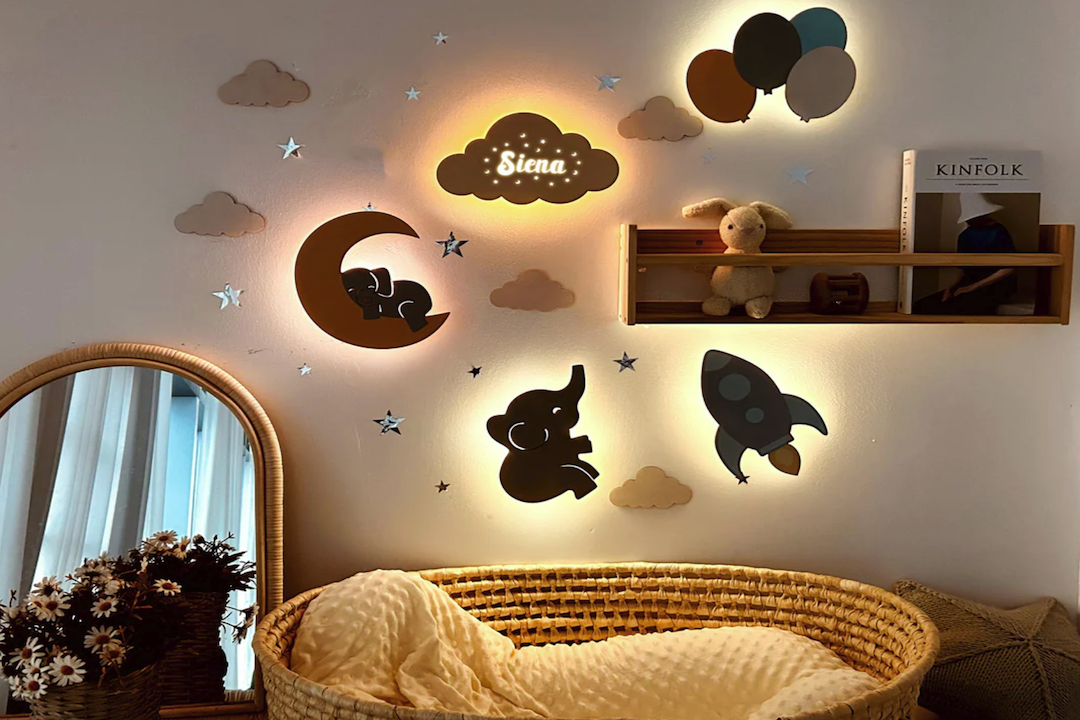
Wall lighting in a nursery serves a dual purpose: providing functional illumination and contributing to the overall atmosphere of the room. When considering lighting options for a young child’s space, particularly the emphasis on “soft and safe” with a focus on “glare-free” characteristics, several technical and practical considerations come into play. This article will explore the principles behind glare-free wall lighting, its benefits for infants and their caregivers, and the types of fixtures that best achieve these goals.
Glare, in the context of lighting Dijea, refers to a visual discomfort caused by excessive or uncontrolled brightness. It can originate directly from a light source or be reflected off surfaces. For infants and young children, whose visual systems are still developing, exposure to harsh or directly intense light can be problematic.
Types of Glare
- Direct Glare: This occurs when a light source is directly visible within the field of vision. In a nursery, this could come from unshielded bulbs or fixtures pointed directly at eye level. Direct glare can cause squinting, a feeling of being overwhelmed, and temporary visual impairment, making it difficult to focus.
- Reflected Glare: This type of glare is caused by light bouncing off shiny or smooth surfaces within the room. For instance, a glossy toy, a polished floor, or even a mirror can reflect light sources, creating distracting and potentially uncomfortable bright spots. In a nursery, the presence of various toys and surfaces means reflected glare is a factor to consider.
- Discomfort Glare: This is a more subjective form of glare. It is the sensation of annoyance or pain caused by brightness. While not necessarily causing visual impairment, discomfort glare can lead to fatigue and a general sense of unease. For a baby who is sensitive to stimuli, prolonged exposure to discomfort glare could disrupt their state of rest or play.
- Disability Glare: This type of glare impairs vision by scattering light within the eye. It can reduce contrast and visibility, making it harder to see details. In a nursery setting, this could be an issue during night feedings or diaper changes, where clear visibility of the child is paramount.
The Developing Visual System
The eyes of infants are not fully mature at birth. Their ability to process light and contrast is still developing. This means they are more susceptible to the negative effects of glare than adults. Their pupils are larger, and their retinas are less sensitive to changes in brightness.
- Contrast Sensitivity: Infants have lower contrast sensitivity, meaning they struggle to differentiate between light and dark areas. Glare, by creating excessively bright areas, can further disrupt this delicate balance.
- Light Adaptation: The ability of the eye to adjust to different light levels (light adaptation) is also less developed in newborns. Rapid changes in brightness, which can occur with harsh lighting or flickering lights, can be startling and uncomfortable for them.
- Photophobia: Some infants may exhibit a degree of photophobia, an increased sensitivity to light. While this can be a temporary condition, it underscores the importance of gentle and controlled illumination.
Principles of Glare-Free Wall Lighting
Achieving glare-free lighting in a nursery involves careful selection of light fixtures and consideration of their placement and light output. The goal is to distribute light evenly and softly, avoiding concentrated beams or direct exposure of the light source.
Diffused Light Sources
The use of diffusers is a cornerstone of glare-free lighting. A diffuser is a material, often made of acrylic, frosted glass, or fabric, that is placed between the light source and the observer.
- How Diffusers Work: Diffusers scatter light in multiple directions, softening its intensity and spreading it over a larger area. This process breaks up the direct beam of light, creating a more uniform and less harsh illumination. Think of how sunlight feels when it passes through clouds – it’s still bright, but the harshness is gone.
- Materials and Their Properties:
- Frosted Acrylic: This is a common and cost-effective material. It provides good diffusion and is generally durable. However, some frosted acrylics can still allow a significant amount of light to pass through, and the quality of diffusion can vary.
- Opal Acrylic: Often used for higher-quality diffusion, opal acrylics have a milky appearance and effectively mask the light source. They create a very soft and uniform glow.
- Frosted or Etched Glass: Glass diffusers can offer a more premium feel and excellent diffusion. Etching the glass creates a textured surface that scatters light. However, glass can be more fragile than acrylic.
- Fabric Shades: Fabric shades, particularly when made of lighter-colored, translucent materials, can effectively diffuse light. They add a soft, decorative element to the room. It is important to ensure the fabric is fire-retardant.
Indirect Lighting Techniques
Indirect lighting involves bouncing light off ceilings or walls to illuminate a space. This method completely hides the direct light source from view, resulting in exceptionally soft and uniform illumination.
- Cove Lighting: This involves installing light fixtures within a recessed architectural feature (a cove) along the top of the walls or ceiling. The light is then directed upwards, reflecting off the ceiling to light the room. Cove lighting creates a serene and shadow-free environment.
- Wall-Washing Fixtures: These fixtures are designed to direct light upwards or downwards along a wall. When positioned correctly, they can illuminate a broad area of the wall, and the reflected light then gently fills the room. This creates a very subtle and ambient effect.
- Uplighting: Similar to the concept of cove lighting, uplighting fixtures are positioned to direct their light towards the ceiling. This method effectively eliminates direct glare and creates a spacious and calming ambiance.
Light Fixture Design for nurseries
The physical design of the light fixture plays a critical role in preventing glare. Fixtures should be chosen with the specific function of softening and shielding the light source.
- Enclosed Fixtures: Fixtures that fully enclose the bulb within a diffuser are excellent for preventing direct glare. These can range from simple dome lights to more decorative sconces.
- Recessed Fixtures with Baffles: While not strictly wall lighting, recessed ceiling lights can be designed to minimize glare using baffles or deep-set lamps. However, for wall-mounted solutions, the focus is on fixtures that project light away from direct sightlines.
- Sconces with Upward or Downward Light Emission: Wall sconces that direct light upwards to the ceiling or downwards to the floor are ideal. This ensures that the light source itself is not directly visible from most angles within the room.
- Shielded Fixtures: Some fixtures are designed with internal shields or louvers that direct light in specific directions while blocking it from others. This can be useful for creating focused but non-glaring illumination.
Benefits of Soft and Safe Glare-Free Wall Lighting
The deliberate choice of soft and glare-free lighting in a nursery offers several tangible advantages for both the baby and the caregivers.
Enhancing Sleep and Rest Cycles
A baby’s sleep is crucial for their development. Bright, harsh, or constantly changing light can disrupt their natural circadian rhythms, making it harder to fall asleep and stay asleep.
- Promoting Melatonin Production: Darkness is a signal for the body to produce melatonin, a hormone that regulates sleep. Exposure to bright lights, especially blue light emitted by some LEDs, can suppress melatonin production. Soft, warm-toned, and dimmable lighting helps create an environment conducive to melatonin release.
- Reducing Stimuli: Babies are easily overstimulated. Glare, being a form of intense visual stimulus, can keep them awake or agitated. Glare-free lighting provides a calm visual environment that supports relaxation and sleep. Imagine trying to sleep in a room with a spotlight shining directly at your eyes – it’s an impossible task, and the same applies to an infant.
- Gentle Wakings: For early morning or nighttime awakenings, soft, dimmable lighting allows for a gradual transition from sleep to wakefulness, minimizing startling and distress. This is particularly important for the baby and equally for any parent who needs to navigate the room in the dark.
Supporting Development and Interaction
Beyond sleep, appropriate lighting plays a role in a baby’s visual development and their ability to engage with their environment.
- Facial Recognition: As parents interact with their baby, soft, even lighting helps with facial recognition. Harsh shadows or bright spots can obscure features, making it harder for the infant to form these crucial early connections.
- Visual Tracking and Focus: While avoiding overstimulation, gradual exposure to gentle light allows for the development of visual tracking skills. The baby can begin to follow moving objects or focus on faces and toys without the discomfort of glare.
- Stimulating Discovery: During playtime, soft ambient lighting can highlight toys and textures without creating overwhelming brightness. This encourages exploration and discovery in a comfortable visual setting. It’s like a gentle spotlight on their world, allowing them to take it all in at their own pace.
Improving Caregiver Experience
The well-being of the caregiver is intrinsically linked to the baby’s. Glare-free lighting can significantly improve the experience of managing a nursery.
- Reduced Eye Strain for Parents: Parents often spend long hours in the nursery, tending to their baby. Harsh lighting can cause eye strain and headaches. Soft, diffuse light is more comfortable for prolonged periods.
- Facilitating Nighttime Care: During nighttime feedings, diaper changes, or comforting a distressed baby, caregivers need sufficient light to see what they are doing but not so much that it fully awakens the baby or themselves. Dimmable, glare-free wall lights are ideal for this purpose, providing just enough illumination without creating a disruption.
- Creating a Calm Atmosphere: A calm and peaceful environment is beneficial for everyone. Glare-free lighting contributes to this by reducing visual clutter and promoting a sense of tranquility, making the nursery a more pleasant space for both baby and parent.
Types of Glare-Free Wall Lighting Fixtures
Selecting the right fixture is key to achieving glare-free illumination. For nursery wall lighting, emphasis is placed on fixtures that shield the bulb and diffuse the light effectively.
Sconces Designed for Soft Light
Wall sconces can be a primary source of ambient light in a nursery. However, not all sconces are created equal when it comes to glare.
- Uplighting Sconces: These fixtures are designed to direct light upwards towards the ceiling. The light then bounces off the ceiling, creating a very soft and even distribution of light throughout the room. The light source itself is completely hidden from view, making these an excellent choice for glare prevention. They are like a gentle whisper of light, rather than a loud statement.
- Downlighting Sconces: Conversely, downlighting sconces direct light downwards. When positioned correctly on the wall, they can illuminate the floor or lower wall surfaces without directly impacting the baby’s eye level. These can be useful for localized task lighting, such as near a changing table, ensuring visibility without direct glare.
- Sconces with Fully Enclosed Diffusers: Fixtures that have a cylindrical or spherical shade made of frosted glass or acrylic can provide excellent diffusion. The light source is completely contained within the shade, preventing any direct light from escaping. The quality of the diffuser material is important here – opaque or heavily frosted materials will offer the best glare reduction.
Recessed Wall Lights (When Appropriately Applied)
While often associated with ceilings, recessed lighting can be adapted for walls in specific scenarios to provide glare-free illumination.
- Grazer Lights: These are specialized recessed fixtures installed at the base of a wall or ceiling to wash the wall surface with light. They create a dramatic effect but, when used with a diffused beam or subtly angled, can provide indirect illumination. In a nursery, they would likely be used for very subtle accent lighting rather than primary illumination.
- Wall-Mounted Recessed Downlights: Certain fixtures are designed to be recessed into the wall and direct light downwards or outwards at a controlled angle. These would need to be carefully selected to ensure the light emitted is well-shielded and diffused, avoiding any direct line of sight to the bulb. Their application in a nursery might be limited compared to other options.
Integrated LED Strips and Fixtures
Modern lighting solutions, particularly those employing LED technology, offer flexibility in design and control that can be leveraged for glare-free applications.
- LED Stripes Behind Valances or Moulding: Concealed LED strips mounted behind decorative valances at the top of the walls or under ledges can provide excellent indirect lighting. The light is bounced off the ceiling and walls, creating a soft, ambient glow without any visible fixtures.
- LED Fixtures with Integrated Diffusers: Many contemporary LED wall lights are designed with integrated diffusers that provide uniform, glare-free illumination. These fixtures often have a sleek and minimalist design, making them a good aesthetic choice for a nursery. The LEDs are typically positioned behind a panel that spreads the light evenly.
Considerations for Installation and Control
Even with the right fixtures, proper installation and control systems are vital for maximizing the benefits of soft and glare-free wall lighting.
Strategic Placement
The location of wall lights is as important as the type of fixture. The goal is to illuminate the room evenly without creating hot spots or dark corners.
- Avoiding Direct Sightlines: Position fixtures so that the light source is not directly visible from common seating areas, cribs, or changing stations. Uplighting sconces placed at a height above eye level are a good example of this principle.
- Even Distribution: Aim for a distribution of light that is relatively uniform across the room. This might involve using multiple smaller fixtures rather than one exceptionally bright one. Consider the overall footprint of the nursery to determine the number and spacing of lights needed.
- Task Lighting Integration: While the primary goal is ambient glare-free light, consider if any task lighting is needed near a changing table or feeding chair. This task lighting should also be glare-free and ideally adjustable or dimmable.
Dimmer Switches and Smart Lighting Controls
The ability to adjust the brightness of the lights is crucial for managing different times of day and varying needs.
- Dimmability for Sleep and Wake Cycles: Dimmable lights allow caregivers to lower the light intensity significantly during nighttime feedings or to create a dim, calming atmosphere for sleep. Conversely, they can be brightened slightly for when the baby is awake and playing.
- Smooth Transitions: Dimmer switches, especially those designed for LED lights, allow for smooth transitions in brightness. This is important for not startling a baby who is falling asleep or just waking up.
- Smart Home Integration: Smart bulbs and smart dimmer switches offer even more control. They can be programmed for timed dimming, adjusted remotely via a smartphone app, or even set to simulate natural light cycles, further supporting the baby’s circadian rhythm. Imagine “waking up” a nursery with a slowly increasing, soft light that mimics the dawn.
Light Color Temperature
The color temperature of the light, measured in Kelvin (K), also impacts the atmosphere and perceived “softness” of the light.
- Warm White (2700K – 3000K): This color temperature produces a yellowish, cozy light, similar to incandescent bulbs. For a nursery, warm white light is generally preferred as it is more relaxing and conducive to sleep. It has a gentle quality that doesn’t feel harsh.
- Neutral White (3500K – 4000K): This is a more balanced light that appears less yellow and more akin to daylight. While it can be useful for certain tasks, it might feel less restful for a nursery at night.
- Cool White (5000K and above): This light is bluish and energizing. It is generally not recommended for nurseries, especially for evening or nighttime use, as it can disrupt sleep patterns by suppressing melatonin.
In conclusion, the creation of a soft and safe nursery environment hinges significantly on thoughtful lighting choices. Glare-free wall lighting, achieved through diffused sources, indirect illumination techniques, and carefully selected fixtures, provides a foundation of comfort and well-being. By understanding the principles of glare, its impact on developing visual systems, and the practical benefits for both infants and their caregivers, it becomes clear that investing in appropriate wall lighting is a fundamental aspect of nursery design. The ability to control brightness and color temperature further enhances the functionality and therapeutic qualities of these lighting solutions, ultimately contributing to a more peaceful and supportive space for a child’s early years.