
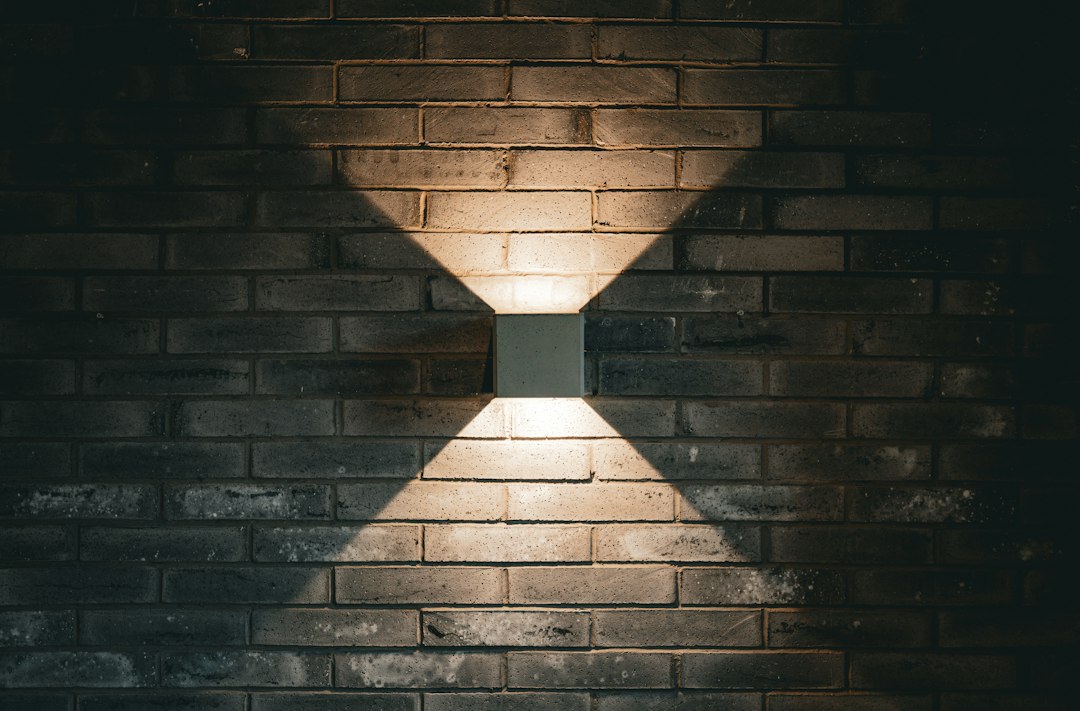
Welcome to your guide on outdoor waterproof wall lights! Finding the right balance between quality and cost for your outdoor lighting project can feel a bit like navigating a maze. In 2024, you can expect to pay anywhere from £20 for a basic, functional waterproof wall light to upwards of £200-£500+ for high-end, smart, or architecturally significant fixtures. This guide will help you understand what drives these prices, how to set a realistic budget, and where to allocate your money for the best results, ensuring your outdoor spaces are well-lit and stylish without breaking the bank. We’ll skip the fluff and get straight to the practical insights you need for your purchasing decisions.
Understanding What Drives Outdoor Waterproof Wall Light Prices
Before we dive into specific price ranges, it’s important to grasp the factors that influence the cost of outdoor waterproof wall lights. It’s not just about the brand; several key elements contribute to the final price tag. Knowing these helps you make more informed decisions and understand why one light might cost significantly more than another, even if they appear similar at first glance.
Material Quality and Durability
The materials used are probably the biggest differentiator in price. Cheaper lights often use thinner metals, standard plastics, or lower-grade alloys that can corrode or degrade quickly when exposed to the elements.
Common Materials and Their Impact
- Plastic (Polycarbonate, ABS): Generally the most affordable. Good for basic functionality and in areas with less harsh weather. However, some plastics can become brittle, discolour, or crack over time, especially with UV exposure. Expect prices in the £20-£50 range.
- Aluminium (Die-cast, Powder-coated): A popular mid-range option. Aluminium is naturally resistant to rust and corrosion, and a good powder coating adds an extra layer of protection and aesthetic appeal. The quality of the casting and coating varies, impacting durability and price. You’ll typically find these from £40-£150.
- Stainless Steel (304, 316 Grade): A step up in durability and price. 304-grade stainless steel is resistant to most outdoor conditions, while 316-grade (marine grade) offers superior corrosion resistance, making it ideal for coastal areas where salt spray is a concern. Prices for stainless steel fixtures can range from £70-£250+.
- Copper and Brass: These are premium materials known for their exceptional durability and attractive patina that develops over time. They are highly resistant to corrosion and often found in high-end or heritage-style lighting. Expect to pay £100-£500+ for fixtures made from these materials.
- Glass vs. Acrylic Diffusers: Glass is more expensive, offers better clarity, and is less prone to scratching or yellowing than acrylic. However, it’s also more fragile. Acrylic is cheaper and more impact-resistant, but can cloud over time.
IP Rating and Weather Resistance
The IP (Ingress Protection) rating is crucial for outdoor lights and directly influences the cost. This rating indicates how well a fixture is protected against solid objects (dust) and liquids (water). Higher IP ratings mean better protection, which usually translates to more robust construction and higher prices.
Understanding IP Ratings for Outdoor Use
- IP44 (Splash-proof): Suitable for sheltered outdoor areas like under a porch or covered patio. It protects against splashes from any direction. Lights with this rating are generally on the lower to mid-range side, £20-£80.
- IP54 (Dust protected, splash-proof): Offers slightly better dust protection than IP44. Price similar to IP44.
- IP65 (Dust tight, jet-proof): This is a very common and recommended rating for exposed outdoor locations. It protects against dust ingress and low-pressure water jets from any direction. You’ll find a good range of options here, typically from £50-£200.
- IP66 (Dust tight, powerful jet-proof): Suitable for areas that might experience powerful water jets, such as being hosed down. Less common for residential wall lights but offers superior protection. Expect prices from £80-£250+.
- IP67 (Dust tight, temporary immersion): Can withstand temporary immersion in water. While overkill for most wall lights, it indicates exceptional sealing. More likely to be found on ground lights.
Light Source Technology
The type of bulb or integrated LED technology significantly impacts both the initial purchase price and long-term running costs.
LED Dominance and Its Implications
- Integrated LED: Most modern outdoor wall lights feature integrated LED modules. While the initial cost can be higher than fixtures designed for replaceable bulbs, LEDs offer superior energy efficiency, a much longer lifespan (tens of thousands of hours), and often better light quality. The quality of the LED chips (e.g., brand, CRI – Colour Rendering Index) and the driver electronics also influence the price. High-quality integrated LEDs typically start from £40-£200+.
- Replaceable Bulb (E27, GU10, etc.): Some traditional fixtures still use replaceable bulbs. While the fixture itself might be cheaper (£20-£70), you’ll need to purchase bulbs separately, and these will need replacing periodically. If you choose LED bulbs, the energy efficiency benefits will be similar to integrated LEDs, but the overall form factor and longevity of the fixture might be less streamlined.
Design, Aesthetics, and Brand
Let’s be honest, how a light looks plays a big role. Simple, utilitarian designs are generally cheaper than intricate, architect-designed, or highly decorative fixtures.
The Value of Design and Brand Reputation
- Basic/Functional: Lights designed purely for illumination without much aesthetic flair will be the most affordable, often found in the £20-£60 range.
- Mid-Range Aesthetic: These fixtures offer a balance of good design and affordability, often featuring popular styles like modern, industrial, or classic lantern looks. Expect to pay £60-£150.
- High-End/Designer: Lights from reputable brands known for their design innovation, superior build quality, and unique aesthetics will command higher prices. These can be £150-£500+, reflecting the design input, material choices, and brand prestige.
- Smart Features: Integration with smart home systems (e.g., Wi-Fi connectivity, app control, dimming, colour changing) adds a premium to the price, often pushing fixtures into the £80-£300+ bracket.
- PIR Sensors (Passive Infrared): Integrated motion sensors are a common add-on. While convenient, they slightly increase the complexity and cost of the fixture, typically adding £10-£30 to the base price.
Setting Your Budget: Practical Steps for 2024
Now that you understand what influences prices, let’s talk about how to set a realistic budget for your outdoor lighting project. This isn’t just about picking a number; it’s about aligning your needs with what you’re willing to spend.
Assess Your Needs and Project Scope
Before you even think about prices, define what you need the lights for. This will heavily influence the type, quantity, and ultimately, the cost of your fixtures.
Key Questions to Ask Yourself
- What areas need lighting? Front door, pathways, patio, garden features, security? Each area might require a different type of light (e.g., bright security light vs. subtle accent light).
- How many lights do you need? Count them up. Don’t forget to consider future additions.
- What level of brightness is required? Security lights need more lumens than mood lighting.
- What style are you aiming for? Modern, traditional, minimalist, industrial? Consistency is key for a cohesive look.
- Do you need smart features or motion sensors? These add convenience but also cost.
- What are the environmental conditions? Coastal area (requires marine-grade materials)? Sheltered or fully exposed?
Understand the “Hidden” Costs
It’s not just the price of the light fixture itself. There are other costs you need to factor in to avoid budget blowouts.
Beyond the Fixture Price
- Installation Costs: Unless you’re a qualified electrician and comfortable working with outdoor wiring, you’ll need to factor in professional installation. This can vary wildly based on your location, the complexity of the wiring (e.g., trenching for new cables vs. replacing existing fixtures), and the electrician’s hourly rate. Budget anywhere from £50-£150+ per fixture for installation, potentially more for complex setups or new wiring runs. For multiple lights, electricians might offer a day rate or project quote.
- Wiring and Electrical Components: If you’re installing new lights or upgrading older wiring, you’ll need cables, junction boxes, perhaps a new switch or timer. Your electrician will advise on these.
- Tools and Supplies (DIY): If you’re doing it yourself (and are legally allowed/qualified), remember to factor in consumables like electrical tape, connectors, mounting hardware, and any special tools you might need.
- Long-Term Energy Costs: While LEDs are highly efficient, if you’re installing many lights or leaving them on for extended periods, factor in the running costs. This is usually negligible with modern LEDs but worth a thought.
- Maintenance: Consider potential bulb replacements (if not integrated LED) or cleaning.
Creating a Tiered Budget
Once you have a clear idea of your needs and potential extra costs, you can create a tiered budget:
Good, Better, Best Approach
- Economy Budget (Roughly £20-£50 per light):
- Expect: Basic plastic or thin aluminium construction, IP44/IP54 rating, simple designs, perhaps a replaceable bulb or very basic integrated LED.
- Best for: Rental properties, temporary solutions, very sheltered areas, or purely functional lighting where aesthetics are secondary.
- Caveat: Longevity might be an issue, and you might need to replace them sooner.
- Mid-Range Budget (Roughly £50-£150 per light):
- Expect: Good quality die-cast aluminium with decent powder coating, IP65 rating, a wider variety of modern and classic designs, integrated LEDs with reasonable longevity. Some might include basic PIR sensors.
- Best for: Most homeowners looking for a balance of durability, aesthetics, and performance for general outdoor lighting (front door, patio, pathways). This is often the sweet spot for value.
- Caveat: Material quality still varies, so check reviews and specifications carefully.
- Premium Budget (Roughly £150-£500+ per light):
- Expect: High-grade materials (316 stainless steel, copper, brass), superior build quality, high IP ratings (IP65/IP66/IP67), sophisticated designs, advanced integrated LED technology (high CRI, long warranty), smart features, and often longer warranties.
- Best for: Architectural statements, areas exposed to harsh conditions (e.g., coastal), smart home integration, and homeowners prioritising longevity, design, and top performance.
- Caveat: The law of diminishing returns can apply. Ensure the extra cost delivers tangible benefits for your specific needs.
Price Ranges for Common Outdoor Waterproof Wall Light Types
Let’s break down the general price ranges you can expect for different styles and functionalities of outdoor waterproof wall lights in 2024. These are averages, and specific features or brands can push them higher or lower.
Up/Down Lighters and Cube Lights
These are popular for modern aesthetics, creating dramatic light effects on walls.
Modern and Architectural Options
- Economy (£25-£60): Often made of painted aluminium or plastic, basic integrated LED. Good for creating the ‘look’ on a budget, but quality may be inconsistent. IP44/IP54.
- Mid-Range (£60-£150): Better quality die-cast aluminium, good powder coat, IP65 rated. Often feature adjustable beams or higher quality integrated LEDs. This is where you find reliable, stylish options.
- Premium (£150-£300+): High-grade aluminium, stainless steel, or even copper. Superior build, advanced LED drivers, excellent light quality (high CRI), sometimes with smart dimming or colour temperature adjustment. Designed for longevity and aesthetic impact.
Traditional Lanterns and Heritage Styles
These lights evoke a classic feel, often seen on older homes or those with a rustic aesthetic.
Classic Designs and Materials
- Economy (£20-£70): Usually painted aluminium or plastic with glass panels. Often designed for replaceable E27 bulbs. IP44. Can look good from a distance but may not stand up to close scrutiny or harsh weather over time.
- Mid-Range (£70-£180): Better quality cast aluminium with durable finishes, often with real glass. Many will still use replaceable bulbs, but integrated LED versions are becoming more common. IP54/IP65. These offer a good blend of authentic styling and durability.
- Premium (£180-£500+): Solid brass, copper, or high-grade stainless steel construction. Hand-finished details, superior glass, and often integrated high-quality LED modules designed to mimic the warmth of traditional bulbs. Built to last for decades.
Security Lights with PIR Sensors
Functionality is key here, often combined with motion detection for safety and deterrence.
Practical and Protective Lighting
- Economy (£30-£70): Basic plastic or thin aluminium, often with a single LED head and integrated PIR. Can be prone to false triggers or have limited adjustment options for the sensor. IP44/IP54. Primarily functional.
- Mid-Range (£70-£150): More robust aluminium construction, better quality LED arrays (often multi-head), and more reliable PIR sensors with adjustable sensitivity, lux levels, and time-on settings. IP65 is common. Some may offer manual override functions.
- Premium (£150-£300+): High-quality, durable materials, powerful and efficient LED output, advanced PIR sensors (sometimes with microwave technology for better detection), integrated camera options, smart home connectivity, and often a more discreet design despite the functionality.
Smart Outdoor Wall Lights
These lights integrate with smart home systems, offering advanced control and features.
Connected and Convenient Options
- Mid-Range (£80-£200): Often basic designs, integrated Wi-Fi or Bluetooth, app control for on/off, dimming, and sometimes colour temperature adjustment. IP65. These are a good entry point into smart outdoor lighting.
- Premium (£200-£500+): Superior build quality and materials, robust smart home integration (e.g., Apple HomeKit, Google Home, Amazon Alexa, Zigbee), full RGBW colour changing, advanced scheduling, scene creation, and often better quality light output. Designed for seamless integration and long-term performance.
Installation Costs and Considerations
The cost of the light fixture is only part of the equation. Professional installation is a significant expense that you must factor into your total budget. Skimping here can lead to safety hazards and further costs down the line.
Why Professional Installation is Crucial
Working with outdoor electricity carries inherent risks due to exposure to weather elements. A qualified electrician ensures:
- Safety: Correct wiring, earthing, and RCD protection to prevent electric shocks and fires.
- Compliance: Adherence to local building codes and electrical regulations (e.g., Part P in the UK). Incorrect installation can invalidate insurance.
- Durability: Proper sealing and installation techniques to maximise the lifespan of your waterproof fixtures.
- Functionality: Correct wiring for switches, sensors, and smart features.
Factors Affecting Installation Costs
The price an electrician charges can vary widely. Here’s what influences it:
- Location: Electrician rates differ by region.
- Complexity of Wiring:
- Replacing Existing Lights: If you’re simply swapping out old lights using existing wiring, this will be the cheapest option, as the circuit is already in place. Expect £50-£100 per light for straightforward replacements.
- New Wiring Run: If you’re installing lights in a new location that requires running fresh cables from your consumer unit, or extending an existing circuit, this is more complex and costly. It might involve drilling through walls, potentially trenching underground for pathway lighting, and installing new switches or junction boxes. This could easily be £100-£250+ per light, especially if multiple lights are on a new circuit.
- Multiple Lights: Installing several lights at once is often more cost-effective per unit, as the electrician can spread their travel time and setup costs across the project.
- Accessibility: Lights on a high wall requiring scaffolding or special access equipment will cost more to install.
- Smart Features: While the fixture handles the smarts, ensuring it’s correctly connected to your home network or smart hub might require a bit more setup time from the electrician (or from you, with guidance).
- Prep Work: If there’s old wiring to remove, patching up walls, or other prep, it adds to the labour.
Getting Quotes
Always obtain at least 2-3 quotes from qualified and insured electricians. Provide them with as much detail as possible:
- Number of lights.
- Type of lights (e.g., up/down, lantern, security).
- Whether existing wiring is present or new runs are needed.
- Photos of the intended installation areas.
A good electrician will likely conduct a site visit to accurately assess the scope of work and provide a firm quote. Don’t be afraid to ask about their qualifications, insurance, and experience with outdoor lighting.
Tips for Saving Money Without Sacrificing Quality
It’s natural to want to save a few pounds, but for outdoor lighting, cutting corners on quality can be a false economy. Here are some smart ways to save without compromising safety or long-term performance.
Prioritise Key Areas
You don’t need premium lighting everywhere. Decide which areas are most important.
- Front Door/Main Entrance: This is your home’s first impression and a critical safety point. Invest in a good quality, reliable fixture here.
- Security Zones: For areas where security is paramount, ensure robust, bright, and perhaps sensor-equipped lights.
- Patio/Entertainment Areas: A balance of good aesthetics and functional light is key.
- Less Visible/Functional Areas: For utility areas or side paths, a more basic, functional light might be perfectly adequate.
Don’t Over-Light
More lights don’t always mean better. Sometimes, fewer, strategically placed lights can be more effective and create a better ambiance.
- Light Spacing: Understand appropriate light spacing for pathways and walls to avoid over-illumination.
- Focus on Purpose: Do you need general illumination, accent lighting, or task lighting? Each has different requirements.
Look for Sales and Discounts
Timing your purchase can make a big difference.
- Off-Season Sales: Lighting often goes on sale during seasonal changes or after major holidays. Keep an eye out.
- End-of-Line/Clearance: Retailers often clear out older stock to make way for new models. You can find excellent deals on perfectly good lights.
- Bulk Discounts: If you’re buying multiple identical fixtures, ask the retailer if they offer a bulk discount.
Consider DIY Installation (If Qualified and Safe)
If you are a fully qualified and competent electrician, you can save substantially on labour costs. However, this is a strict ‘if’.
- Safety First: If you are not qualified and experienced with electrical work, do not attempt outdoor wiring yourself. It’s dangerous and illegal in many regions without proper certification.
- Like-for-Like Replacements: If you are legally permitted and confident in doing so, replacing an existing fixture with an identical type of new one (ensuring the circuit is off and tested) is the simplest DIY task. Any new wiring, adding new circuits, or working near water sources absolutely requires a professional.
Opt for Integrated LED
While the initial cost might be slightly higher than a fixture taking a replaceable bulb, integrated LEDs save you money in the long run.
- Energy Efficiency: Significantly lower electricity consumption.
- Longevity: LEDs last for tens of thousands of hours, meaning you won’t be buying replacement bulbs every few years. This quickly offsets the higher initial fixture cost.
- Reduced Maintenance: No need to climb ladders to change bulbs.
Choose Mid-Range Materials for Most Areas
Unless you’re in a highly corrosive environment (like coastal regions), good quality powder-coated aluminium (IP65) is often the best balance of durability and cost.
- Avoid Overkill: Don’t pay for marine-grade stainless steel (316) if you’re inland and sheltered.
- Don’t Under-Specify: Conversely, don’t use cheap plastic if your light is fully exposed to harsh weather, as it will likely fail prematurely.
By thoughtfully applying these strategies, you can achieve excellent outdoor lighting that meets your needs and looks fantastic, all while staying within a sensible budget.