
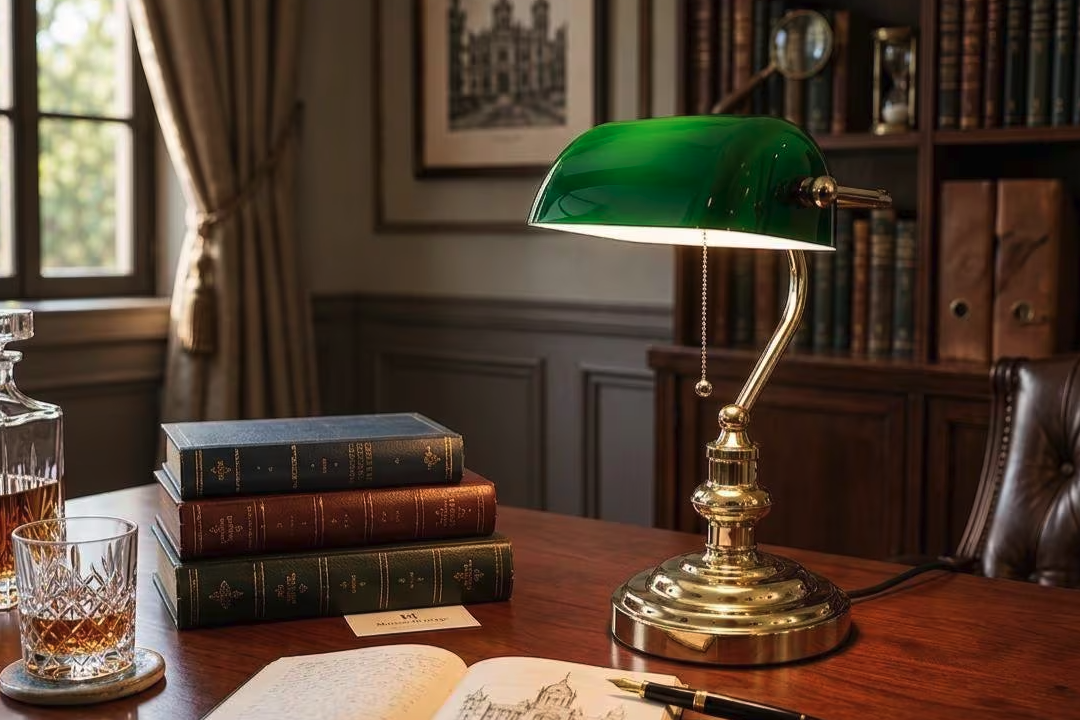
Looking to add a touch of timeless elegance to your home, especially a gallery wall? A French vintage bankers lamp is an excellent choice. These iconic lamps, with their distinctive green glass shade and brass base, offer a blend of history, functionality, and classic design that can elevate almost any space. They’re not just practical for focused lighting; they’re also a statement piece that speaks to an era of craftsmanship and sophistication.
A gallery wall thrives on visual interest, and incorporating different textures, shapes, and materials is key. A French vintage bankers lamp Smcliving brings a unique element to this mix, offering both light and a sculptural quality.
Beyond Just Illumination
While their primary function is to provide task lighting, particularly for reading or writing, on a gallery wall, they serve a dual purpose. They break up the flatness of framed art, adding depth and a three-dimensional element. The warm glow from their green shade also casts a beautiful, atmospheric light that can highlight specific pieces on your wall.
A Touch of History
These lamps have a rich history, dating back to the early 20th century. Originally designed for banks, libraries, and offices, their enduring popularity is a testament to their practicality and aesthetic appeal. Placing one on your gallery wall is like incorporating a small piece of design history into your home.
Versatile Aesthetic
Don’t let the “bankers lamp” name fool you into thinking they’re only for formal spaces. While they certainly complement traditional or classic decor, their clean lines and understated elegance allow them to blend surprisingly well with a variety of interior styles, from industrial chic to modern minimalist. The key is in how you integrate them.
Key Features to Look For in a French Vintage Bankers Lamp
Not all bankers lamps are created equal, especially when you’re seeking a truly vintage piece with that coveted “French” feel. Knowing what to look for will help you distinguish a genuine vintage find from a modern reproduction.
The Iconic Green Glass Shade
This is perhaps the most recognizable feature. While other colors exist (white, amber, even blue), the emerald green shade is the classic and most sought-after.
Originality of the Shade
Look for subtle imperfections in the glass, like small bubbles or slight variations in color, which are hallmarks of older manufacturing processes. Modern reproductions often have perfectly uniform, machine-made glass. Sometimes, the green glass might have a milky interior, designed to diffuse light more effectively.
Condition of the Shade
Check for chips, cracks, or significant scratches. While minor wear is acceptable for a vintage item, a severely damaged shade can detract from its appeal and functionality.
The Metal Base and Arm
The base is typically brass, offering a sturdy foundation and a beautiful contrast to the green glass. The arm usually has an adjustable tilt mechanism.
Material and Patina
Genuine vintage lamps will often have a beautiful, aged patina on the brass. This isn’t damage; it’s a natural oxidation process that develops over decades. Avoid overly polished or lacquered brass unless you prefer a more contemporary look. The weight of the base is also a good indicator of quality – heavier bases usually mean more solid brass.
Articulation and Movement
Test the adjustment mechanism to ensure it moves smoothly and holds its position. A wobbly or stiff mechanism might indicate wear or damage. Look for interesting details on the base or arm, like ornate castings or specific brand markings, which can indicate higher quality or a particular era.
Electrical Components
Given the age of these lamps, the electrical components are crucial for safety and functionality.
Wiring Condition
This is paramount. Vintage wiring can be brittle, frayed, or uninsulated, posing a fire risk. Always assume an old lamp needs re-wiring. Many reputable vintage sellers will have already rewired the lamp to modern standards, but it’s always worth asking and inspecting.
Plug and Switch
Original plugs might be two-pronged and not grounded. A rewired lamp will typically have a modern, safer plug. The switch, often a pull-chain or rotary switch on the base, should operate smoothly.
Sourcing Your French Vintage Bankers Lamp
Finding the right lamp is part of the fun. There are several avenues to explore, each with its own advantages.
Antique Stores and Flea Markets
These are classic hunting grounds for vintage treasures. You can physically inspect the lamp and often negotiate the price.
The Thrill of the Hunt
Browsing through an antique store allows for serendipitous discoveries. You might find a unique variation or a lamp with a particularly interesting story.
Inspect Before You Buy
Take your time to thoroughly examine the lamp using the criteria mentioned above. Don’t hesitate to ask the seller questions about its history, origin, or any restoration work done.
Online Marketplaces
Etsy, eBay, and specialized vintage lighting websites are excellent resources, especially if you have a specific style or era in mind.
Wider Selection
Online platforms offer a much broader selection from sellers across the globe, increasing your chances of finding that perfect “French” style.
Due Diligence is Key
Always check seller reviews and ratings. Ask for detailed photos from all angles, especially of the wiring and any imperfections. Don’t be afraid to ask for videos or to clarify any doubts before committing to a purchase. Factor in shipping costs, which can be significant for heavy items.
Estate Sales and Auctions
These can yield some fantastic finds, often at competitive prices, but require quick decision-making.
Potential for Bargains
Estate sales can be a treasure trove, as items are often priced to sell quickly. Auctions, while potentially more competitive, can also offer unique pieces.
Act Quickly and Inspect Thoroughly
At estate sales, items are often sold “as-is” and quickly. At auctions, you typically have a viewing period beforehand. Use this time wisely to inspect the lamp.
Integrating Your Bankers Lamp into a Gallery Wall
Once you have your lamp, the next step is to integrate it seamlessly into your gallery wall. This is where creativity comes into play.
Placement and Height
The placement of the lamp is crucial for both aesthetics and functionality.
Centering or Off-Centering
You could center the lamp within a cluster of art, or place it slightly off-center to create a dynamic visual anchor. Consider it as another piece of “art” on your wall.
Relationship to Other Art
Think about how the lamp’s height and width relate to the frames around it. You want a sense of balance and flow, not overcrowding. It might sit on a small shelf, a wall-mounted desk, or even be directly attached to a custom-made wall bracket if it’s a particularly unique design.
Lighting Considerations
The bankers lamp provides focused downlight, which can be used to highlight specific elements or create ambient mood lighting.
Highlighting Key Pieces
Angle the shade to direct light onto a favorite piece of art or a collection of smaller items on a shelf below the lamp.
Creating Ambiance
The green shade casts a warm, inviting glow. Use a lower wattage bulb (perhaps an Edison-style LED for vintage appeal) to create a cozy, atmospheric corner. Avoid harsh, bright bulbs that might wash out your artwork.
Complementary Decor
Consider what other elements will surround your lamp on the gallery wall.
Mixing Materials
The brass and glass of the lamp pair beautifully with wood frames, canvas art, metal sculptures, and even textiles. Don’t be afraid to mix and match.
Incorporating Shelving
A small floating shelf below or beside the lamp can provide a surface for displaying smaller objects like curios, books, or a tiny plant, further enhancing the gallery wall’s depth.
Caring for Your Vintage Bankers Lamp
Proper care will ensure your lamp remains a cherished part of your home for years to come.
Cleaning the Glass Shade
The green glass shade should be cleaned gently to avoid scratches or damage.
Dusting and Gentle Wiping
Regularly dust the shade with a soft, dry cloth. For smudges or fingerprints, use a very slightly damp cloth with plain water, then dry immediately. Avoid harsh chemical cleaners, which can strip away any original finish or cause etching on the glass over time.
Removing Stubborn Grime
If there’s stubborn grime, a solution of mild dish soap and water applied with a soft cloth can work. Rinse thoroughly and dry completely. Be careful not to let water seep into the electrical components.
Polishing the Brass Base
To maintain the brass, you have a few options depending on your preference for patina.
Embracing the Patina
Many vintage enthusiasts prefer to leave the natural patina on the brass, as it adds character and history. In this case, simply dust regularly with a soft cloth.
Gentle Polishing for Shine
If you prefer a brighter shine, use a brass-specific polish designed for antique brass. Apply sparingly with a soft cloth, following the product instructions. Avoid aggressive scrubbing, which can damage the finish. Always test polish on an inconspicuous area first.
Avoiding Over-Polishing
Over-polishing can strip away valuable patina and potentially damage the metal. Aim for a gentle clean rather than a pristine, factory-new shine, which often looks out of place on a truly vintage piece.
Electrical Maintenance
This is arguably the most important aspect of care for safety.
Regular Inspections
Periodically inspect the cord for any signs of fraying, cracks, or damage. Check the plug to ensure it’s securely attached.
Professional Rewiring (If Needed)
If your lamp hasn’t been rewired, or if you notice any issues with the existing wiring, it’s highly recommended to have a qualified electrician do the job. This is a small investment for your safety and peace of mind. They can also check the socket and switch for wear.
A French vintage bankers lamp on your gallery wall isn’t just about lighting; it’s about adding personality, history, and a touch of refined taste. By understanding what makes these lamps special, how to find an authentic piece, and how to integrate it thoughtfully into your decor, you’ll create a truly captivating and functional display.