
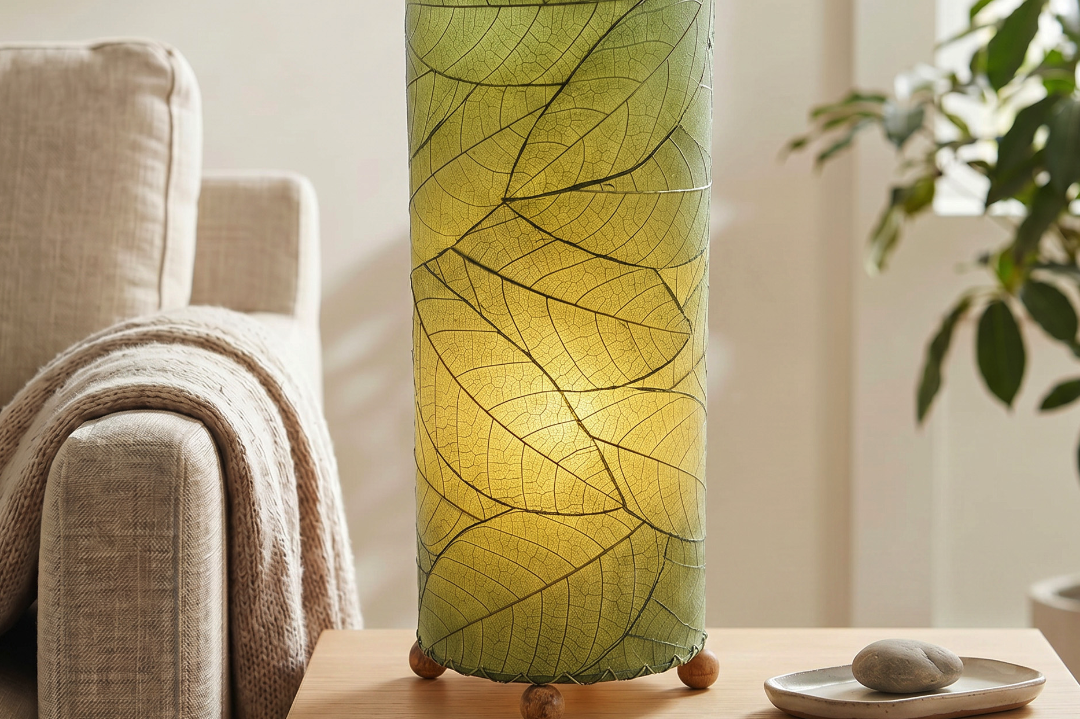
You’re looking to light up your space in a way that’s kind to the planet, and a great place to start is with an eco-friendly cork base fabric table lamp. These lamps aren’t just a pretty face; they offer a genuine step towards a more sustainable home. Instead of the usual suspects like plastic or metal, you’re getting a base made from a renewable resource – cork – paired with some thoughtfully sourced fabric for the shade. This combination means less environmental impact, a warmer aesthetic, and a story you can feel good about.
So, why are we making such a fuss about cork? It’s not just a fancy wine stopper material; it’s a remarkably versatile and eco-conscious choice for furniture and home décor, especially for something like a lamp Loxtonlighting base.
What Makes Cork So Green?
Cork comes from the bark of the cork oak tree. The magic here is that you don’t cut down the tree to harvest the cork. Instead, the bark is carefully stripped every 9-12 years. The tree actually regrows its bark, making it a completely renewable resource. This process is beneficial for the tree’s health too, as it encourages fresh growth.
Beyond Renewable: The Environmental Benefits
The environmental advantages of cork go far beyond its renewability.
- Carbon Sequestration: Cork oak forests are vital for capturing carbon dioxide. A harvested cork oak tree actually absorbs more CO2 than an unharvested one, as the regrowth process draws more carbon from the atmosphere.
- Biodiversity Hotspot: These forests are also incredible biodiversity havens, supporting a huge array of plant and animal species, including endangered ones. By supporting the cork industry, you’re indirectly contributing to the preservation of these crucial ecosystems.
- Minimal Processing: Once harvested, cork doesn’t require a lot of energy-intensive processing. It’s naturally light, insulating, and robust, requiring fewer resources to turn it into a lamp base compared to many other materials.
- No Harmful Chemicals: Pure cork is free from harsh chemicals or synthetic additives, making it a healthy choice for your indoor environment.
Durability and Longevity
Don’t let its natural origins fool you into thinking cork is delicate. It’s surprisingly durable, resistant to moisture, and has a natural elasticity that makes it less prone to cracking than some other materials. A well-made cork base lamp will stand the test of time, reducing the need for replacements and contributing to a less wasteful lifestyle.
The Fabric Shade: More Than Just Soft Light
While the cork base is the star of the sustainability show, the fabric shade plays a crucial supporting role, especially when chosen with eco-conscious principles in mind. It’s not just about diffusing light; it’s about making a responsible choice.
Natural Fibers for the Win
When we talk about eco-friendly fabric shades, we’re generally looking at natural fibers. These are derived from plants or animals and, when responsibly sourced, have a much lower environmental footprint than synthetic alternatives.
- Organic Cotton: This is a popular choice for good reason. Grown without harmful pesticides or synthetic fertilizers, organic cotton avoids polluting water systems and farm worker exposure to dangerous chemicals. Look for certifications like GOTS (Global Organic Textile Standard) to ensure true organic practices.
- Linen: Made from flax plants, linen is inherently sustainable. Flax requires less water and fewer pesticides than conventional cotton. It’s also a robust fiber, meaning your shade will last. The slight slubs and texture of linen add a beautiful, natural aesthetic.
- Hemp: Often hailed as an environmental superstar, hemp needs minimal water, no pesticides, and grows incredibly quickly. It’s also known for its strength and durability. Hemp fabrics offer a somewhat rustic yet refined look.
- Jute: A coarse, strong fiber, jute offers a unique texture and earthy feel. It’s a fast-growing, renewable plant that requires little in the way of fertilizers or pesticides. Jute shades can add a lovely, natural warmth.
Avoiding the Pitfalls of Synthetic Fabrics
You’ll want to steer clear of shades made from synthetic materials like polyester or rayon if your goal is truly eco-friendly.
- Polyester: Derived from petroleum, polyester production is energy-intensive and contributes to greenhouse gas emissions. It’s also not biodegradable, meaning it will sit in landfills for centuries.
- Rayon (Viscose): While made from wood pulp, rayon’s production often involves a highly pollutive chemical process (the viscose process) that can damage ecosystems and pose health risks to workers. Environmentally friendly alternatives like Lyocell (Tencel™) exist, which use a closed-loop system for chemical recycling, but are still worth inquiring about.
Dyes and Finishes: The Hidden Impact
Even the most natural fiber can be rendered less eco-friendly by harmful dyes and finishes.
- Low-Impact Dyes: Look for shades that use low-impact, non-toxic dyes. These dyes are often plant-based or synthetic dyes that require less water and energy, and produce less waste.
- Unbleached/Undyed Fabrics: The most eco-conscious choice is often unbleached, undyed fabric. The natural color of cotton, linen, or hemp has its own appealing aesthetic and completely bypasses the dyeing process.
Design and Aesthetics: Blending Nature with Style
Beyond the environmental credentials, a cork base fabric table lamp also brings a unique aesthetic to your home. It’s about more than just sustainability; it’s about creating a harmonious and inviting space.
Warmth and Texture
Cork brings an inherent warmth to any room. Its natural, earthy tones and subtle texture create a grounding effect. Paired with the soft drape and natural variations of fabric, these lamps inject a sense of calm and organic luxury. They move away from the cold, industrial feel of metal or the starkness of plastic, offering a more tactile and inviting presence.
Versatility in Decor
Despite their natural origins, these lamps are remarkably versatile.
- Minimalist Spaces: Their clean lines and understated elegance fit perfectly into minimalist or Scandinavian-inspired interiors, adding warmth without clutter.
- Bohemian Chic: The natural textures and earthy palette are a natural fit for bohemian or eclectic spaces, enhancing the relaxed, worldly vibe.
- Contemporary Homes: Even in a more contemporary setting, a well-designed cork and fabric lamp can act as a beautiful organic counterpoint to slicker surfaces and modern furniture. It adds a touch of accessible nature.
- Farmhouse/Rustic: Obviously, these lamps fit right in with farmhouse or rustic decor, where natural materials are celebrated.
Creating Cohesive Styles
Think about how the lamp integrates with other elements in the room.
- Complementary Materials: Pair it with other natural textures like a wooden tabletop, a wool rug, or ceramic planters to amplify the organic feel.
- Color Palette: The natural tones of cork and undyed fabrics are excellent neutrals. They allow you to incorporate other colors in your decor without clashing, or they can stand as a serene anchor in a bolder scheme.
- Light Quality: The fabric shade provides a soft, diffused light that is perfect for creating ambiance. It’s not about bright, harsh illumination, but rather a gentle glow that makes a room feel cozy and welcoming.
Practical Considerations: What to Look for When Buying
Choosing an eco-friendly lamp isn’t just about the materials; it’s also about the finer details that ensure you’re making a truly sustainable and practical purchase.
Quality of Craftsmanship
A well-made lamp is a sustainable lamp because it lasts longer. Look for signs of good craftsmanship in both the cork base and the fabric shade.
- Solid Cork: The cork should feel solid and substantial, not flimsy. Look for a smooth finish where appropriate, or a well-defined texture if that’s the intended design. Avoid bases that seem hastily assembled or have visible gaps.
- Sewn Edges: For fabric shades, check the seams and edges. They should be neatly sewn, without loose threads or fraying. A rolled or self-bound edge usually indicates higher quality.
- Sturdy Fittings: The electrical components (socket, cord, plug) should be securely installed and feel robust. Check for certifications like UL (in North America) or CE (in Europe) to ensure compliance with safety standards.
Bulb Compatibility
Modern lamps are often designed for LED bulbs, and this is another crucial aspect of eco-friendliness.
- LED Benefits: LEDs consume significantly less energy than incandescent or halogen bulbs, lasting many times longer. This means lower electricity bills and less frequent bulb replacements, reducing waste.
- Warm vs. Cool Light: Consider the color temperature (measured in Kelvin, K) of your LED bulb. For ambient lighting and a cozy feel, look for bulbs in the 2700K-3000K range (warm white). If you prefer a brighter, more neutral light, 3500K-4000K might be suitable.
- Dimmable Options: If your lamp is dimmable, invest in dimmable LED bulbs to further control ambiance and energy usage.
Cord and Plug
Even small details like the cord and plug can contribute to the overall eco-impact.
- Material: While still largely PVC-based, some brands are exploring recycled plastic cords or braided fabric cords (which can sometimes be cotton or hemp, but check the inner wire insulation).
- Length: Consider the cord length you need to avoid unsightly extension cords, which are not ideal for efficiency or aesthetics.
- Switch Type: Many table lamps feature an in-line switch on the cord, or a rotary switch on the lamp base itself. Both are practical, but make sure it feels sturdy.
Packaging and Shipping
A truly eco-friendly product considers its entire lifecycle, including how it gets to you.
- Minimal and Recyclable Packaging: Look for brands that use minimal packaging, or packaging made from recycled and recyclable materials (like cardboard and paper padding instead of Styrofoam peanuts).
- Local Sourcing: If possible, consider products made closer to home to reduce transportation emissions. While not always feasible for cork, which is primarily sourced from Mediterranean countries, supporting local artisans for the lamp assembly and shade creation can still be a good step.
Care and Maintenance for Longevity
Taking good care of your cork base fabric table lamp isn’t just about keeping it looking nice; it’s a key part of its sustainable journey. The longer a product lasts, the less impact it has on the environment.
Cleaning the Cork Base
Cork is naturally resistant to dust and grime, but a little care goes a long way.
- Dusting: For everyday cleaning, a soft, dry cloth or a duster is usually sufficient to remove surface dust.
- Gentle Wiping: If there’s a stubborn mark, lightly dampen a cloth with plain water (no harsh chemicals!) and gently wipe the area. Avoid saturating the cork, as excessive moisture isn’t ideal.
- Avoid Abrasives: Don’t use abrasive cleaners, scouring pads, or harsh chemical sprays, as these can damage the cork’s natural finish and potentially degrade its integrity.
Cleaning the Fabric Shade
The fabric shade might attract dust and, over time, could accumulate minor marks.
- Dusting: Use a lint roller, a soft brush attachment on your vacuum cleaner (on low suction), or a microfiber cloth to gently remove dust from the shade. Do this regularly to prevent buildup.
- Spot Cleaning (Caution!): For small marks, perform a patch test on an inconspicuous area first. For most natural fabrics, a very lightly dampened cloth with plain water or a tiny drop of mild, pH-neutral soap (like diluted castile soap) can work. Gently blot, don’t rub aggressively, as this can damage the fabric weave or spread the stain. Allow to air dry completely.
- Avoid Wet Cleaning: Unless explicitly stated by the manufacturer, avoid fully wetting a fabric shade, as it can cause warping, staining, or damage to the adhesives used in its construction.
- UV Protection: If your lamp is positioned in direct sunlight, the fabric shade might fade over time. Consider repositioning it or using window coverings to protect it.
Electrical Component Care
The electrical parts generally require less direct cleaning but need occasional checks.
- Bulb Replacement: Always unplug the lamp before replacing a bulb. Ensure the new bulb wattage does not exceed the lamp’s maximum specified wattage.
- Cord Inspection: Periodically check the electrical cord for any fraying, cuts, or damage. If you notice any issues, stop using the lamp and have it professionally repaired or replaced.
- Firm Connections: Ensure the bulb is screwed in firmly and the plug is securely seated in the outlet.
Handling and Placement
Treat your lamp with care to prevent accidental damage.
- Lift, Don’t Drag: When moving the lamp, always lift it by the base rather than dragging it, which could strain the cord or damage the cork.
- Stable Surface: Place the lamp on a stable, flat surface where it won’t be easily knocked over.
- Indoor Use Only: Unless specifically designed for outdoor use, keep your lamp indoors, away from direct weather exposure and extreme humidity.
By following these simple care instructions, you’re maximizing the lifespan of your eco-friendly cork base fabric table lamp, ensuring it continues to bring light and style to your home for years to come, all while upholding its sustainable principles.