
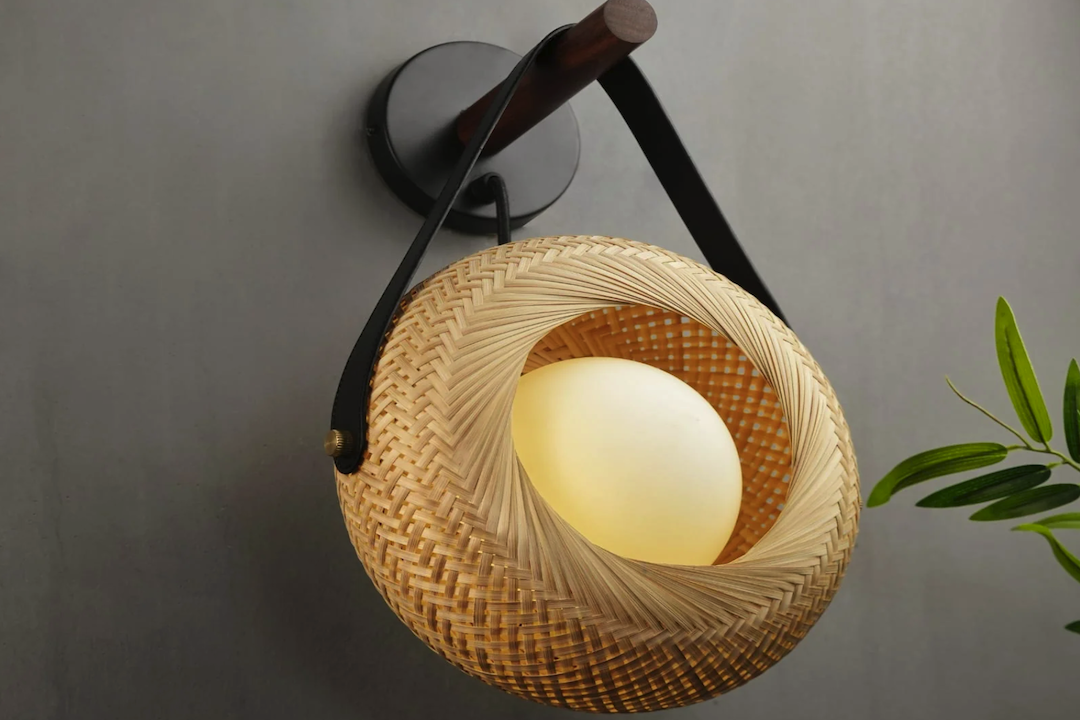
The integration of sustainable practices into home decor has gained traction as consumers become more conscious of their environmental impact. Among the various elements of interior design, lighting plays a significant role, not only in functionality but also in setting the ambiance of a space. This article examines the concept of sustainable style, focusing specifically on natural fiber shade wall lamps as a prominent example of eco-friendly decor.
Sustainable style, in the context of home decor, refers to the mindful selection of materials, production processes, and design choices that minimize negative environmental repercussions. It is an approach that prioritizes longevity, resource conservation, and ethical considerations throughout the lifecycle of a product. This philosophy extends beyond mere aesthetics, aiming to create living spaces that are not only beautiful but also responsible.
The Pillars of Sustainable Design
Sustainable design rests on several key principles that guide the creation and selection of eco-friendly products. These principles act as a compass, directing individuals and manufacturers towards more responsible choices.
Environmental Responsibility
At its core, sustainable style champions environmental responsibility. This means actively seeking to reduce waste, conserve natural resources, and minimize pollution. Products are evaluated not just for their immediate appeal but for their footprint on the planet.
Material Sourcing
The origin and processing of materials are crucial. Sustainable choices prioritize renewable resources, recycled content, or materials that can be safely biodegraded. This reduces reliance on finite resources and lessens the burden on ecosystems.
Manufacturing Processes
The energy consumed and waste generated during production are significant factors. Sustainable manufacturing aims for energy efficiency, closed-loop systems where byproducts are reused, and the avoidance of harmful chemicals.
Social Equity
Beyond environmental concerns, sustainable style also encompasses social equity. This involves ensuring fair labor practices, safe working conditions, and equitable compensation for all involved in the production chain. A product’s sustainability is incomplete if its creation comes at the cost of human well-being.
Ethical Labor
The artisans and workers producing the items are treated with respect and dignity. This includes fair wages, reasonable working hours, and a commitment to preventing exploitation.
Community Impact
Sustainable initiatives often consider the impact on local communities. This can involve supporting local artisans, preserving traditional crafts, and contributing to the economic well-being of the regions where products are made.
Economic Viability
True sustainability also requires economic viability. Products must be produced and sold in a way that allows businesses to thrive without compromising environmental or social principles. This encourages the development of long-term, resilient industries.
Durability and Longevity
Sustainable products are often designed for durability, resisting the trend of disposable goods. This longevity reduces the need for frequent replacements, thereby conserving resources and reducing waste over time.
Investment in Quality
Choosing sustainable options can be viewed as an investment in quality. While the initial cost might sometimes be higher, the extended lifespan and the positive impact on the environment and society offer a greater long-term value proposition.
Natural Fibers in Lighting: A Sustainable Choice
The selection of materials for lamps Cooblo is a critical component of their environmental impact. Natural fibers offer a compelling alternative to synthetic materials, aligning with the principles of sustainable style. Their inherent qualities contribute to both aesthetic appeal and eco-friendliness.
Advantages of Natural Fibers
Natural fibers, derived from plants and animals, possess a range of properties that make them suitable for lampshades. Their renewability, biodegradability, and often lower processing energy requirements position them favourably in the pursuit of sustainable decor.
Renewable Resources
Fibers like cotton, linen, jute, rattan, and bamboo are cultivated crops or sourced from sustainably managed natural environments. This renewability ensures that their use does not deplete finite resources.
Cotton
Cotton, a widely used natural fiber, is grown from the cotton plant. While conventional cotton farming can have environmental impacts, organic cotton cultivation avoids synthetic pesticides and fertilizers, making it a more sustainable option.
Linen
Derived from the flax plant, linen is known for its strength and durability. Flax is a resilient crop that requires relatively little water and pesticides to grow.
Jute
Jute, often referred to as the “golden fiber,” is a highly sustainable crop. It grows quickly, requires minimal inputs, and is biodegradable. Its coarse texture lends itself to various lamp shade designs.
Rattan
Rattan is a climbing palm native to tropical regions. It is a fast-growing and renewable resource that can be harvested without harming the parent plant. Its flexibility makes it ideal for woven lamp structures.
Bamboo
Bamboo is a versatile and rapidly renewable grass. It grows quickly and requires no replanting after harvest. Its strength and aesthetic appeal make it a popular choice for lighting fixtures.
Biodegradability
A significant advantage of natural fibers is their ability to biodegrade at the end of their lifecycle. Unlike synthetic plastics that can persist in landfills for centuries, natural fibers break down naturally, returning to the earth.
Reduced Landfill Burden
This biodegradability directly contributes to reducing the burden on landfill sites. It closes the loop in the product’s life cycle, preventing long-term pollution.
Nutrient Cycling
In some cases, biodegradable materials can even contribute to nutrient cycling. When composted properly, they can enrich soil, further contributing to a circular economy.
Lower Processing Energy
The manufacturing processes for many natural fibers often require less energy compared to the production of synthetic materials like polyester or PVC. This translates to a smaller carbon footprint.
Mechanical Processing
Many natural fibers undergo mechanical processing, such as spinning and weaving, which are generally less energy-intensive than chemical synthesis methods used for plastics.
Natural Dyes
The use of natural dyes, derived from plants and minerals, further enhances the eco-friendliness of natural fiber lampshades. These dyes are less toxic than synthetic alternatives and often produce unique, earthy color palettes.
Craftsmanship and Unique Aesthetics
Beyond their environmental credentials, natural fibers lend themselves to unique aesthetic qualities and artisanal craftsmanship. This fusion of sustainability and artistry creates pieces that are both functional and decorative.
Handcrafted Appeal
Many natural fiber lampshades are handcrafted, showcasing the skill and dedication of artisans. This human touch adds an element of uniqueness to each piece, making it more than just an object.
Preserving Traditional Techniques
The production of these lamps often involves the preservation of traditional weaving, knotting, or braiding techniques passed down through generations. This supports cultural heritage and provides livelihoods for communities.
Individual Variations
Handcrafted items inherently possess slight variations, making each lamp truly one-of-a-kind. This individuality is a departure from the uniformity of mass-produced items.
Natural Textures and Colors
The inherent textures and colors of natural fibers offer a unique visual and tactile experience. They bring an organic warmth and an earthly connection to interior spaces.
Tactile Richness
The subtle variations in weave, the natural grain of the fibers, and the inherent textures create a rich tactile experience that synthetic materials often struggle to replicate.
Earthy Color Palettes
Natural fibers often come in a spectrum of earthy tones, from creamy whites and warm beiges to rich browns and subtle greens. These colors are calming and harmonize well with various decor styles.
Designing with Natural Fiber Shade Wall Lamps
The integration of natural fiber shade wall lamps into interior design requires an understanding of their application and the considerations for maximizing their sustainable impact.
Placement and Functionality
The strategic placement of these lamps can enhance both the functionality and the aesthetic appeal of a room, while also considering their eco-friendly attributes.
Ambient Lighting
Wall lamps are excellent for providing soft, ambient light. Natural fiber shades diffuse light, creating a warm and inviting atmosphere, perfect for living rooms, bedrooms, or dining areas.
Diffused Glow
The woven or textured nature of natural fiber shades often acts as a natural diffuser, softening the glare of exposed bulbs and casting a gentle, diffused glow. This contributes to a more relaxed and comfortable environment.
Creating Mood
By selecting the appropriate wattage and type of bulb (e.g., warm white LED), these lamps can effectively set a mood, whether it be cozy, sophisticated, or relaxed.
Task Lighting
While often associated with ambient light, wall lamps can also be used for specific tasks, such as reading lights beside a bed or accent lighting for artwork.
Focused Illumination
When placed strategically, a wall lamp with a more directed light output can provide sufficient illumination for reading or other close-up activities without being overly harsh.
Highlighting Features
These lamps can also be used to highlight architectural features, artwork, or plants, drawing attention to specific elements within the room.
Material Compatibility and Decor Styles
Natural fiber lampshades complement a wide range of decor styles due to their inherent versatility and organic appeal.
Bohemian and Coastal Designs
The natural textures and earthy tones of these lamps align perfectly with bohemian and coastal aesthetics, adding a touch of organic warmth and laid-back charm.
Woven Accents
The woven nature of many rattan, jute, or bamboo lampshades is a hallmark of bohemian decor, contributing to a layered and eclectic look.
Beachy Vibes
In coastal interiors, natural fibers evoke the natural elements of the seaside, bringing a sense of calm and tranquility to the space.
Scandinavian and Minimalist Interiors
Surprisingly, natural fiber lamps can also find a place in Scandinavian and minimalist designs, provided they are chosen with clean lines and natural, understated finishes.
Light and Airy
The light, neutral colors of many natural fibers complement the light and airy aesthetic of Scandinavian design.
Organic Contrast
A single, well-placed natural fiber lampshade can introduce a touch of organic contrast to an otherwise minimalist space, preventing it from feeling sterile.
Modern and Eclectic Spaces
These lamps can add an unexpected element of texture and warmth to modern and eclectic spaces, creating visual interest and a unique personality.
Texture Play
In modern design, where smooth surfaces often dominate, the introduction of natural fiber textures can add depth and a tactile dimension.
Personal Touch
For eclectic styles, natural fiber lamps can serve as standalone statements, reflecting an appreciation for craftsmanship and natural beauty.
Environmental Considerations in Sourcing and Production
Ensuring the true sustainability of a natural fiber shade wall lamp requires a closer examination of its sourcing and production processes, moving beyond the inherent properties of the material itself.
Certifications and Ethical Sourcing
Consumers can look for specific certifications and inquire about the sourcing practices of manufacturers to verify the ethical and environmental integrity of their products.
Fair Trade Certifications
Fair Trade certifications indicate that products have been produced under fair labor conditions, with fair wages and safe working environments for artisans.
Empowering Artisans
By supporting Fair Trade initiatives, consumers contribute to the economic empowerment of artisan communities and help to preserve traditional crafts.
Transparency in Supply Chains
These certifications often require greater transparency in supply chains, allowing for better traceability of materials and production processes.
Sustainable Forestry and Agricultural Practices
For materials like rattan and bamboo, certifications related to sustainable forestry are important. Similarly, for fibers like cotton and linen, organic or sustainable agricultural certifications are key.
Forest Stewardship Council (FSC)
The FSC certification for wood and bamboo products ensures that they are sourced from responsibly managed forests that provide environmental, social, and economic benefits.
Global Organic Textile Standard (GOTS)
GOTS certification for cotton and linen guarantees that the textiles are processed in accordance with strict environmental and social criteria, from harvesting raw materials to labeling.
Production Techniques and Waste Management
The methods employed during the manufacturing process and the approach to waste management significantly influence a lamp’s overall sustainability.
Energy Efficiency in Manufacturing
Manufacturers committed to sustainability invest in energy-efficient machinery and practices. This includes utilizing renewable energy sources for their operations.
Renewable Energy Sources
Looking for lamps made in facilities powered by solar, wind, or hydropower demonstrates a commitment to reducing the carbon footprint of production.
Optimized Production Lines
Streamlined production lines that minimize energy consumption per unit are a sign of sustainable manufacturing.
Waste Reduction and Recycling Programs
Responsible manufacturers implement rigorous waste reduction strategies and recycling programs throughout their production cycle.
Minimizing Material Offcuts
Efficient cutting and weaving techniques can minimize the amount of material offcuts, a common source of waste in textile production.
Repurposing or Recycling Byproducts
Any unavoidable byproducts should be repurposed for other uses or recycled, rather than being sent to landfill.
The Lifecycle of a Natural Fiber Shade Wall Lamp
Understanding the entire lifecycle of a natural fiber shade wall lamp, from its creation to its eventual disposal, is crucial for a holistic view of its sustainability.
Cradle-to-Cradle Design Principles
The ideal scenario is for a product to be designed based on cradle-to-cradle principles, meaning its components can be endlessly reused or safely returned to nature.
Designing for Disassembly
Lamps designed for easy disassembly allow individual components made of different materials to be separated for recycling or proper disposal. This is a proactive approach to end-of-life management.
Material Segregation
When a lamp can be easily taken apart, it facilitates the segregation of materials like metal, electrical components, and natural fiber shades, making recycling more efficient.
Repairability
Designing for disassembly also often implies designing for repair. If a part breaks, it can be replaced rather than the entire lamp needing to be discarded.
Biodegradable Components
Where possible, selecting lamps where all components are biodegradable ensures that the entire product can decompose naturally at the end of its useful life.
Natural Adhesives and Finishes
The use of natural, non-toxic adhesives and finishes further enhances the biodegradability of the lamp.
Avoiding Mixed Materials
Products that combine natural fibers with synthetic glues or complex metal alloys can be harder to recycle or biodegrade effectively.
End-of-Life Management
Responsible disposal and potential recycling or repurposing of natural fiber shade wall lamps are vital for minimizing their environmental impact.
Composting Natural Fibers
When a natural fiber lampshade reaches the end of its life, and if it is made solely of natural materials without synthetic coatings or glues, it can often be composted.
Removing Non-Compostable Parts
It is important to remove any metal fittings, electrical components, or plastic parts before composting the natural fiber shade.
Benefits of Composting
Composting returns valuable organic matter to the soil, reducing waste and contributing to a circular economy.
Recycling Metal and Electrical Components
The metal parts of the lamp, such as the base or the bulb holder, should be recycled through appropriate metal recycling channels.
E-Waste Recycling
Electrical components, including wiring and bulb sockets, often fall under e-waste regulations and should be disposed of responsibly to prevent the release of hazardous materials.
Local Recycling Facilities
Consumers should familiarize themselves with their local recycling facilities and guidelines for disposing of different types of materials.
Extending Product Lifespan
The most sustainable choice is often to extend the lifespan of existing products, and this applies to lamps as well.
Repair and Refurbishment
Rather than discarding a lamp due to minor damage or outdated style, consider repairing or refurbishing it. This might involve replacing a worn-out shade or updating the electrical components.
DIY Repair Projects
Many simple repairs can be undertaken as DIY projects, saving money and resources. Online tutorials and repair guides are readily available.
Professional Refurbishment Services
For more complex issues, professional refurbishment services can breathe new life into an old lamp.
Repurposing
With a bit of creativity, a functional lamp can be repurposed into something new. The shade itself might be adapted for a different lighting fixture, or the base could be used for a different decorative purpose.
Shade Adaptation
A natural fiber shade could be carefully removed and used as a decorative element in other craft projects or even as a planter cover.
Base Reinvention
The lamp base, if sturdy and aesthetically pleasing, could be painted, adorned, or repurposed as a standalone decorative object or even as a base for a unique table.
By embracing the principles of sustainable style and making informed choices about natural fiber shade wall lamps, consumers can illuminate their homes with beauty, functionality, and a clear conscience, knowing they are contributing to a healthier planet.